
Medical Devices and Technology
The Biggest Innovations Happening in Medical Technology Devices Right Now
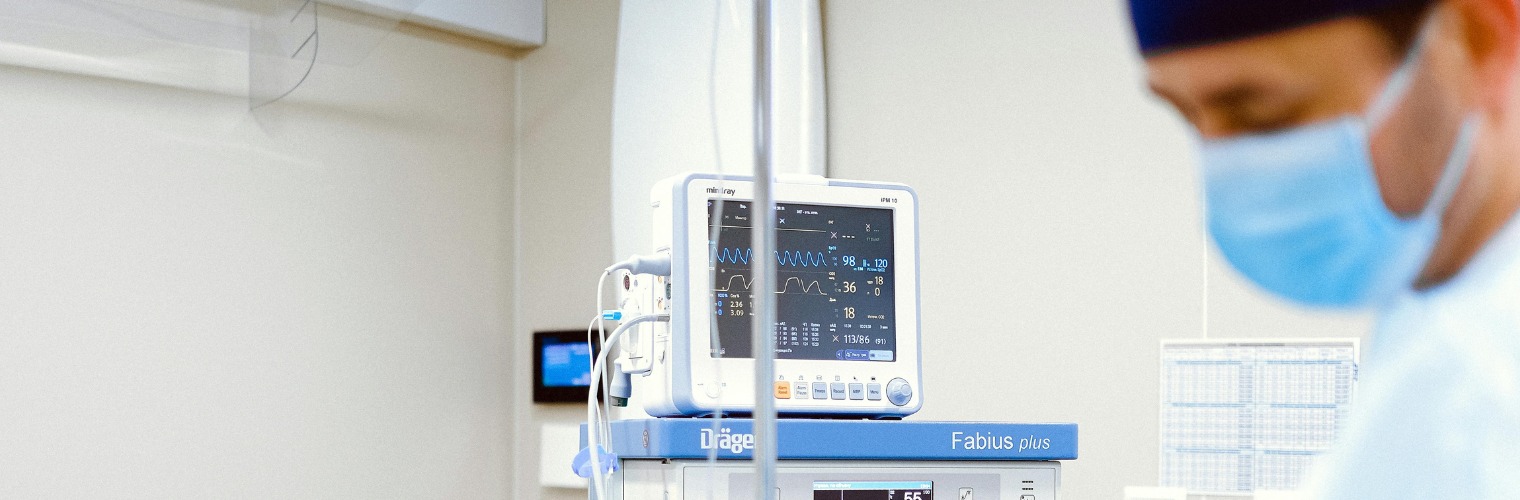
Image Courtesy: Pexels


Healthcare is no longer confined to hospitals, clinics, and scheduled appointments. It is moving into homes, pockets, wrists, operating rooms, and digital platforms. The latest wave of medical technology devices is making care faster, more connected, and more personal than ever before.
These innovations are not just improving how doctors diagnose and treat patients. They are changing how people understand their own health.
From AI-powered diagnostics to wearable monitors and robotic surgical systems, the medical device industry is entering a new era where prevention, precision, and real-time care matter as much as treatment.
Medical Technology Devices and the Rise of AI Diagnostics
Artificial intelligence is one of the most powerful forces reshaping modern healthcare. AI-enabled diagnostic tools can help clinicians detect patterns in scans, lab results, and patient data with greater speed and consistency. In radiology, cardiology, pathology, and ophthalmology, AI can support earlier detection and reduce the time needed to interpret complex information.
This does not mean machines are replacing doctors.
Instead, AI is becoming a clinical assistant that helps healthcare professionals make faster and more informed decisions. When used responsibly, it can reduce diagnostic delays, support overloaded care teams, and improve patient outcomes.
Wearables Are Moving from Fitness to Medical Care
Wearable health technology has evolved far beyond step counts.
Today’s smartwatches, rings, patches, and biosensors can track heart rate, blood oxygen levels, sleep patterns, glucose trends, respiratory changes, and irregular rhythms. These devices help patients and physicians spot changes before they become serious health concerns. This shift marks a major turning point for preventive healthcare.
Instead of waiting for symptoms to worsen, people can monitor important health signals continuously. For patients with chronic conditions, wearable technology can support better self-management and more timely medical intervention.
The most exciting part is accessibility. Many tools now fit naturally into daily life, making health monitoring less intimidating and more routine.
Remote Patient Monitoring Is Redefining Care
Remote patient monitoring is one of the fastest-growing areas in healthcare innovation. Connected devices allow clinicians to track patient health outside traditional care settings. Blood pressure monitors, glucose meters, cardiac monitors, and respiratory devices can send data directly to care teams, helping them respond earlier when warning signs appear.
This matters especially for elderly patients, people with chronic illnesses, and individuals living far from hospitals.
Remote monitoring reduces unnecessary visits, supports better follow-up care, and gives patients more confidence at home. It also helps healthcare systems manage demand by focusing attention where it is needed most.
Among the most impactful medical technology devices, remote monitoring tools stand out because they bring care closer to the patient.
Robotic-Assisted Surgery Is Becoming More Precise
Surgery is another area seeing dramatic innovation.
Robotic-assisted systems help surgeons perform complex procedures with greater precision, smaller incisions, and improved control. These technologies can support minimally invasive procedures, reduce recovery times, and improve surgical accuracy.
The future of surgical devices may become even more intelligent as robotics combines with imaging, AI guidance, and real-time data. Still, human expertise remains essential. The best outcomes come when advanced technology supports skilled surgeons rather than replacing their judgment.
Smart Implants and Connected Devices Are Changing Recovery
Innovation does not stop after diagnosis or surgery. Smart implants and connected therapeutic devices are helping physicians monitor recovery and treatment performance more closely. Some orthopedic implants, cardiac devices, and neurostimulation systems can collect data, track function, and alert clinicians when something requires attention.
This creates a more continuous care model. Rather than relying only on follow-up appointments, doctors can gain a clearer view of how patients are healing in real life. Patients, in turn, can receive more personalized guidance based on actual recovery data.
The Human Impact Behind the Technology
The biggest innovations are not impressive simply because they are advanced. They matter because they make healthcare more proactive, personal, and accessible.
For doctors, these tools can reduce administrative strain and improve clinical decision-making. For patients, they can offer reassurance, early warnings, and greater control over health. For healthcare systems, they can support efficiency and better resource allocation.
However, innovation must also come with responsibility. Privacy, data accuracy, affordability, and ethical use remain critical concerns as connected healthcare expands.
ALSO READ: Electronic Health Records Benefits in Reducing Medical Errors
A Smarter Future for Patient Care
The future of medical technology devices will not depend only on sensors, software, or robotics. It will depend on how well these tools solve real human problems.
The most valuable innovations will help detect illness earlier, support doctors more effectively, and give patients better access to care.
As healthcare becomes more connected, the next generation of devices will do more than collect data. They will help turn information into action—and action into better outcomes.





