
Medical Devices and Technology
Interoperability in Healthcare: Integrating Remote Patient Monitoring Devices with EHR Systems
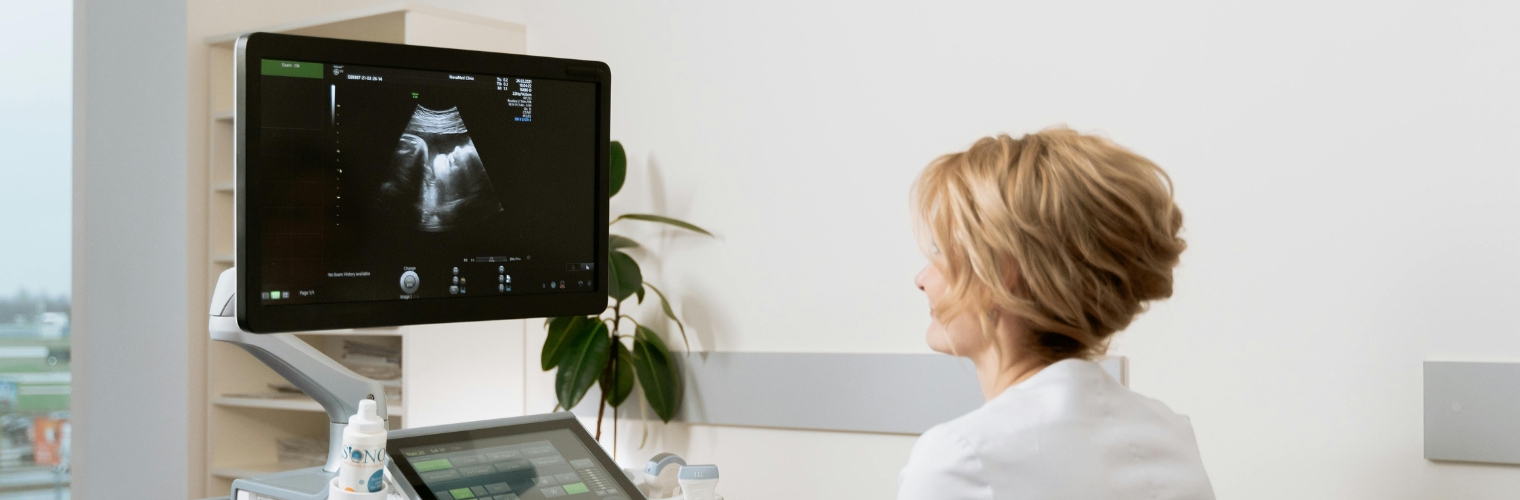
Image Courtesy: Pexels


In a digital-first healthcare environment, data is the new lifeline. Hospitals and providers are increasingly turning to remote patient monitoring devices to extend care beyond clinic walls. These devices capture vital health data in real time, from heart rate to blood glucose levels, creating a stream of valuable insights. Yet, the true potential of remote monitoring remains untapped until the data seamlessly connects with electronic health record (EHR) systems. That connection is where interoperability becomes both a challenge and a game changer.
Why Interoperability Matters in Remote Patient Monitoring
Interoperability should be viewed as a patient care necessity. Remote patient monitoring devices generate data at unprecedented speed and volume. Without smooth integration into EHR systems, this information risks becoming fragmented, inaccessible, or siloed. For clinicians, fragmented data means delays in decision-making. For patients, it can translate to missed opportunities for early intervention.
When monitoring devices and EHRs speak the same language, the care experience transforms. Physicians gain a continuous, holistic view of patient health. Care teams can predict complications before they escalate. Patients benefit from treatment that feels personalized, responsive, and proactive rather than reactive.
The Barriers to Integrating Remote Patient Monitoring Devices
Despite the promise, healthcare organizations face real hurdles. Legacy EHR systems often lack the flexibility to integrate data from diverse device manufacturers. Standards for interoperability, such as HL7 and FHIR, are still unevenly adopted across the industry. Security and privacy concerns complicate the flow of sensitive patient information, while providers worry about the cost and complexity of implementation.
Even when integration happens, consistency is not guaranteed. A blood pressure reading from one device might be logged differently than the same reading from another device. This lack of uniformity places an extra burden on healthcare professionals who must interpret data from multiple streams.
What True Interoperability Means for Tomorrow’s Healthcare
The future lies in ecosystems where remote patient monitoring devices and EHR systems are designed to work in harmony. Cloud-based platforms and AI-driven tools are already bridging gaps, translating disparate data into standardized formats. Healthcare organizations are beginning to explore partnerships with device manufacturers to ensure that interoperability is built into design rather than retrofitted later.
Looking ahead, interoperability will also redefine patient empowerment. Imagine a world where an individual’s wearable data automatically updates their health record, alerting both the patient and their provider of potential risks. This type of connected care fosters trust and collaboration, moving patients from passive participants to active partners in their health journey.
Also read: Virtual Healthcare Services: How Cloud Technology Enhances Your Daily Well-Being
Building Trust Through Seamless Data Flow
At its core, integrating remote patient monitoring devices with EHR systems is about trust. Patients must trust that their data is secure and used to improve their well-being. Providers must trust that the information they receive is accurate, timely, and actionable. Interoperability serves as the bridge that strengthens this trust.
Healthcare’s future depends on the ability to unify disparate technologies into a cohesive whole. Remote patient monitoring devices provide the eyes and ears beyond the hospital. EHR systems serve as the central brain. Only when both are connected does the full picture of modern healthcare come into focus.





