
Holistic Health
How Yoga and Ayurveda Are Shaping the Future of Holistic Health & Healing Worldwide
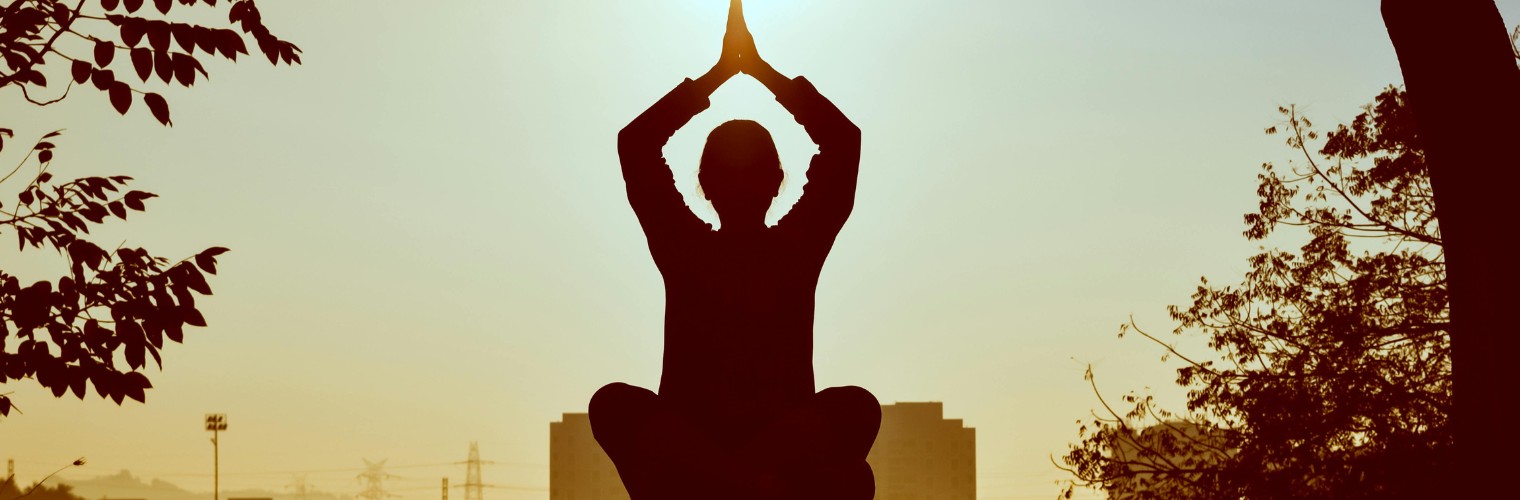
Image Courtesy: Pexels


There’s something powerful happening; people everywhere are turning back to ancient wisdom to not just fix illness, but prevent it, nurture wellbeing, and heal deeply. Yoga and Ayurveda, two of India’s oldest gifts, are playing a big part in this shift toward holistic health & healing. Here’s how and why.
1. From Tradition to Global Trend
Yoga has long been practised for physical flexibility, stress relief, and spiritual growth. Ayurveda has offered a detailed system of diet, herbal treatment, lifestyle, seasonal adjustment, and inner balance. Lately, these aren’t just traditions in India. They’re becoming everyday practices in cities in the West, in Asia, Latin America, and even in remote places where wellness retreats are growing.
Why this shift? Part of it is dissatisfaction, people realising that treating symptoms alone isn’t enough. They want a richer kind of wellness, one that cares for mind, body, spirit. That’s at the heart of holistic health & healing.
2. Science & Evidence Anchoring Ancient Wisdom
One of the biggest shifts is that Ayurveda and yoga are gaining scientific support, clinical studies, trials, and peer-reviewed papers. Things like using yoga for chronic pain, anxiety, high blood pressure, or Ayurvedic herbs for digestion or immune strength are being studied with rigour.
This doesn’t mean all claims are validated yet, but the move toward evidence gives holistic health & healing more credibility. It helps them be accepted in hospitals, wellness centres, and even insurance schemes.
3. Personalisation & Preventive Care
Ayurveda is deeply personal: it doesn’t treat everyone the same. It looks at your “prakriti” (constitution), your lifestyle, and your environment. Yoga, too, has many branches and offers tools to adapt posture, breathing, and meditation to individual needs.
This personalised approach is essential for holistic health & healing. If health care becomes more preventive (instead of waiting for illness), people can live with more balance and fewer crises. The future seems likely to lean heavily into prevention, in part because chronic disease burden and health care costs are rising globally.
4. Digital & Global Accessibility
Another big trend is technology. Yoga classes online, Ayurveda consultations via telehealth, wellness apps, digital retreats; these are making holistic health & healing accessible to people who might never be able to visit an ashram or Ayurvedic spa.
Also, brands are adapting herbal products, supplements, and dietary plans so that they work in different climates and cultures. The goal: keeping tradition but adapting to modern life.
5. Wellness Tourism & Cultural Exchange
People are travelling, not just for sightseeing, but for healing. Retreats in Kerala, Uttarakhand, Goa, or Bali are not just relaxing; they combine detox, yoga, meditation, and Ayurvedic therapies. Holistic health & healing becomes an immersive experience: nature, food, treatments, spiritual practice.
This also builds cultural bridges. Ayurveda and yoga carry philosophies and worldviews, balance, nature, interconnectedness. When people learn them, they often carry those ideas back home. That shifts ideas about health itself. It’s not just about pills or surgeries, it’s about living so you prevent disease, maintain balance, and heal yourself.
6. Challenges & What Needs Attention
To fully make use of these ancient systems for holistic health & healing, several challenges must be addressed:
Quality, Regulation, Standardisation: Herbal medicines need consistent quality. Many treatments need standard dosing and safety studies.
Credible Research: More large-scale, long-term studies, so that mainstream medicine can integrate Ayurveda and yoga more confidently.
Accessibility and Inclusivity: Making sure holistic health & healing isn’t just for the wealthy or in urban areas, but reaches rural, marginalised communities.
Authenticity vs Commercialisation: As demand grows, there’s pressure to package, simplify, or “sell” these practices. That can dilute depth or misrepresent them.
Integration into Mainstream Health Systems: Hospitals, clinics, insurance, not just wellness spas, need pathways to include yoga-Ayurveda, were useful.
7. What This Could Mean for the Future
Putting it all together, here are a few visions for how yoga and Ayurveda might shape health in the coming decades:
• Health care that looks ahead: instead of waiting until the disease is serious, people routinely use diet, herbs, stress management, and yoga as part of daily life.
• Hybrid systems where conventional medicine and traditional practices work side by side: using both where they work best.
• Communities and societies designed for wellbeing: urban planning, food systems, education, may include Ayurvedic insights (seasons, rhythms, nature), yoga in schools, etc.
• Tech tools that help you follow Ayurveda/yoga appropriately: apps that sense your constitution, suggest daily routines, and adjust for your environment.
• A broader definition of “healing” that includes mental, emotional, and spiritual components, not just the absence of disease.
Final Thoughts
Yoga and Ayurveda aren’t just relics of the past. They’re shaping how we think of health. They ask us to slow down, to listen, to cultivate balance. That kind of holistic health & healing; mind, body, and spirit together, is becoming less of a niche, more of a necessity.
If we can get the science, authenticity, access, and integration right, I believe the future of healing will be richer, more sustainable, more humane. And everyone; patients, practitioners, communities, stands to benefit.
Also read: What Ayurveda and Traditional Medicine Teach Us





