

Weight loss after 40 feels different because it is different. Estrogen declines, muscle mass drops, insulin sensitivity shifts, and recovery slows. Calorie cutting alone no longer delivers reliable results. A high protein diet for weight loss in women over 40 works because it targets the biological changes driving midlife fat gain, not just the scale.
Why Fat Loss Becomes Harder After 40
Women begin losing lean muscle mass in their 30s, and the rate accelerates during perimenopause and menopause. Less muscle means a lower resting metabolic rate. At the same time, hormonal fluctuations encourage abdominal fat storage and increase appetite variability.
Many women respond by eating less. The problem is that aggressive calorie restriction without adequate protein worsens muscle loss, which further slows metabolism. This creates the frustrating cycle of eating less and losing less.
Protein interrupts that cycle.
How a High Protein Diet Supports Weight Loss
A high protein diet for weight loss in women over 40 works through three primary mechanisms.
First, protein preserves lean muscle. Muscle is metabolically active tissue. Maintaining it helps protect resting energy expenditure during fat loss.
Second, protein increases satiety. It stimulates appetite regulating hormones such as GLP 1 and peptide YY, which reduce cravings and late night snacking.
Third, protein has a higher thermic effect than carbohydrates or fats. The body burns more calories digesting and metabolizing protein, which slightly increases daily energy expenditure.
These effects combined make fat loss more sustainable and less punishing.
How Much Protein Do Women Over 40 Need?
For effective fat loss while preserving muscle, most research supports intake between 1.2 to 1.6 grams of protein per kilogram of body weight per day. Active women who strength train may benefit from 1.6 to 2.2 grams per kilogram.
For example, a 70 kg woman may target 85 to 110 grams of protein daily. Distribution matters. Aim for 25 to 35 grams per meal to stimulate muscle protein synthesis consistently throughout the day.
Best Protein Sources for Midlife Fat Loss
Not all protein sources offer equal benefits. Prioritize options that support muscle retention and metabolic health.
High-quality animal proteins include eggs, Greek yogurt, chicken breast, salmon, and lean beef. They provide complete amino acid profiles and high bioavailability.
Plant-forward options consist of lentils, tofu, tempeh, edamame, and quinoa, which support weight loss when combined to ensure adequate essential amino acids.
Collagen can support joint health but should not replace complete protein sources.
Balance protein with fiber rich vegetables and healthy fats to improve blood sugar stability and hormonal balance.
Strength Training Is the Gold Standard
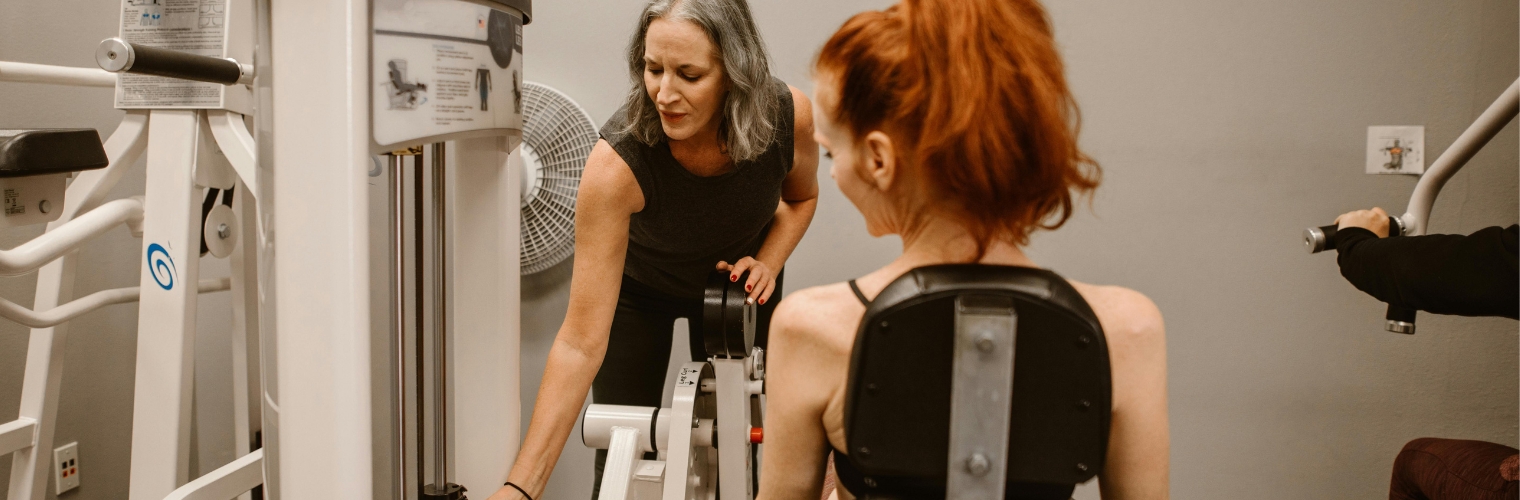
A high protein diet for weight loss in women over 40 is most effective when paired with resistance training. Strength training signals the body to retain muscle while in a calorie deficit. Without it, some weight loss will come from lean tissue.
Two to four sessions per week focusing on compound movements such as squats, rows, presses, and deadlifts can significantly improve body composition and metabolic health.
Also read: Common Heart Healthy Diet Mistakes That Quietly Raise Cardiovascular Risk
Common Mistakes to Avoid
Relying on protein shakes alone won’t work. Whole food sources improve satiety and micronutrient intake.
Under-eating calories will backfire. Severe restriction increases stress hormones and may worsen fat retention.
Good quality sleep is non-negotiable. Poor sleep impairs appetite regulation and muscle recovery.
Sustainable Fat Loss After 40 Starts With Muscle Protection
A high protein diet for weight loss in women over 40 is not about extreme dieting. It is about protecting muscle, stabilizing appetite, and aligning nutrition with changing physiology. When combined with resistance training and adequate recovery, it transforms weight loss from a constant struggle into a strategic process grounded in science.





