
Health Tips
Healthy Food Tips For People Following GLP-1 Diets: How To Build Smaller, Smarter Plates
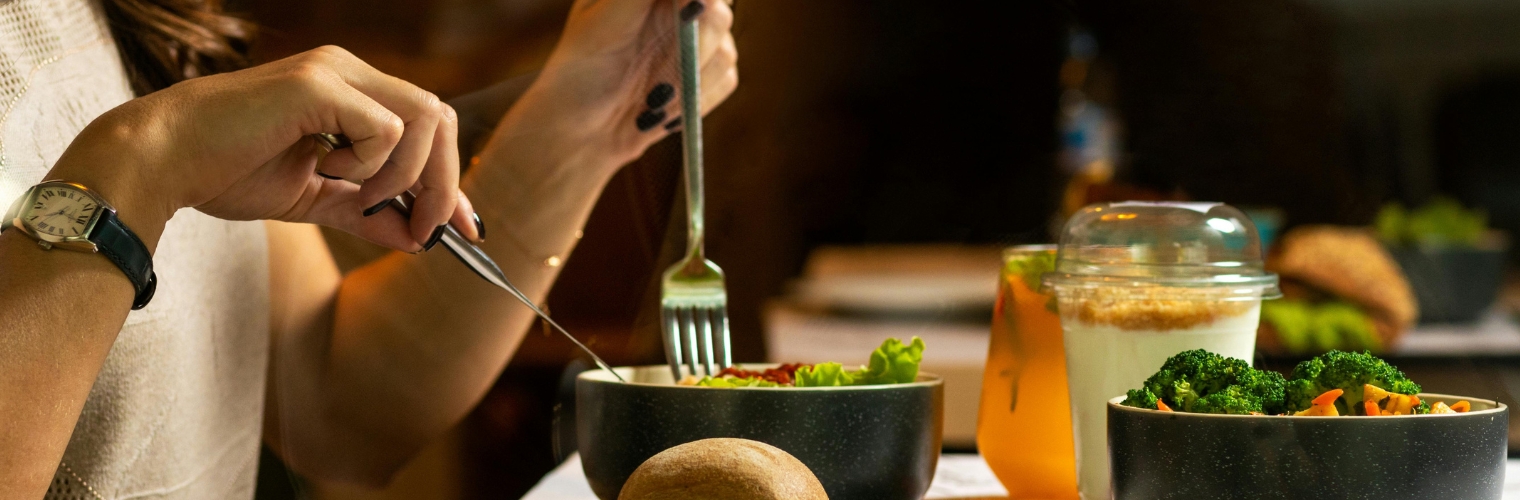
Image Courtesy: Pexels


GLP-1 medications have reshaped weight management, but appetite suppression creates a nutritional challenge many people underestimate. Eating less can easily translate into lower protein intake, inadequate fiber, dehydration, and nutrient gaps if meal composition lacks intention. The conversation has moved beyond calorie counting. Clinicians are paying closer attention to muscle preservation, digestive tolerance, and nutrient density as GLP-1 adoption expands across the U.S.
Also read: Unexpected Ways to Improve Health That Doctors Are Talking About
How GLP-1 Medications Change Everyday Eating
GLP-1 therapies slow gastric emptying and reduce hunger signals, which changes meal tolerance significantly. Foods that once felt manageable can suddenly feel excessively heavy. Large portions, fried meals, and highly processed convenience foods often worsen bloating, nausea, reflux, or prolonged fullness.
For many people, the challenge is not restraint. It is consuming enough of the right nutrients within a much smaller eating window.
Building A Smarter GLP-1 Plate
Reduced appetite makes food quality more important than meal volume.
A practical starting point is filling half the plate with easy-to-digest vegetables or hydrating produce. Cooked spinach, zucchini, roasted carrots, green beans, berries, or melon usually sit better than bulky raw salads for people managing nausea or early fullness.
One quarter of the plate should center on high-quality protein. Eggs, Greek yogurt, salmon, shredded chicken, turkey, tofu, cottage cheese, and tempeh help protect lean muscle mass during active weight loss. Protein inadequacy is becoming a larger concern among obesity medicine specialists as rapid weight reduction becomes more common.
The remaining quarter works best with structured carbohydrates that support digestive regularity and steadier energy. Sweet potato, steel-cut oats, quinoa, lentils, white beans, or brown rice are stronger choices than refined snack foods that offer quick calories with little nutritional return.
Healthy fats should stay intentional and measured. A small amount of avocado, olive oil, chia seeds, or almond butter can improve satiety and support nutrient absorption without making meals harder to tolerate.
Smaller plates often help psychologically as well. Standard dinner portions can look sparse when appetite is reduced, while appropriately sized plates create a more natural visual cue.
Healthy Food Tips For Managing Digestive Side Effects
Digestive symptoms often determine whether a GLP-1 eating plan remains sustainable.
For nausea:
- Cold meals may feel easier than hot foods with stronger aromas
- Dry toast or plain crackers can help during difficult periods
- Protein smoothies may be easier than dense solid meals
- Heavy restaurant meals frequently worsen discomfort
For constipation, a lower food intake often reduces total fiber consumption.
Helpful adjustments include:
- Drinking fluids consistently across the day
- Choosing soluble fiber sources such as oats, kiwi, chia, or psyllium
- Adding light walking after meals
- Increasing fiber gradually instead of abruptly
Protein Distribution Matters During Weight Loss
Many GLP-1 users unintentionally consume most of their protein at dinner, which is less effective for muscle maintenance.
A better pattern spreads protein intake across the day. Greek yogurt or eggs at breakfast, lean protein at lunch, and a smaller protein-centered dinner create steadier nutritional support. For individuals losing weight quickly, preserving lean tissue is as important as reducing fat mass.
Food Industry Changes Reflect Real Consumer Behavior
Food manufacturers are already responding to GLP-1-driven demand with portion-controlled meals, protein-forward snack products, and digestive-friendly formulations. Restaurants are adjusting menus with lighter customizable options.
The shift reflects a broader reality: smaller appetites require smarter nutrition engineering.





