
BioPharma
From Benchtops to Bytes: How Fully Digital Labs Are Reshaping Biopharma Services for Scientists
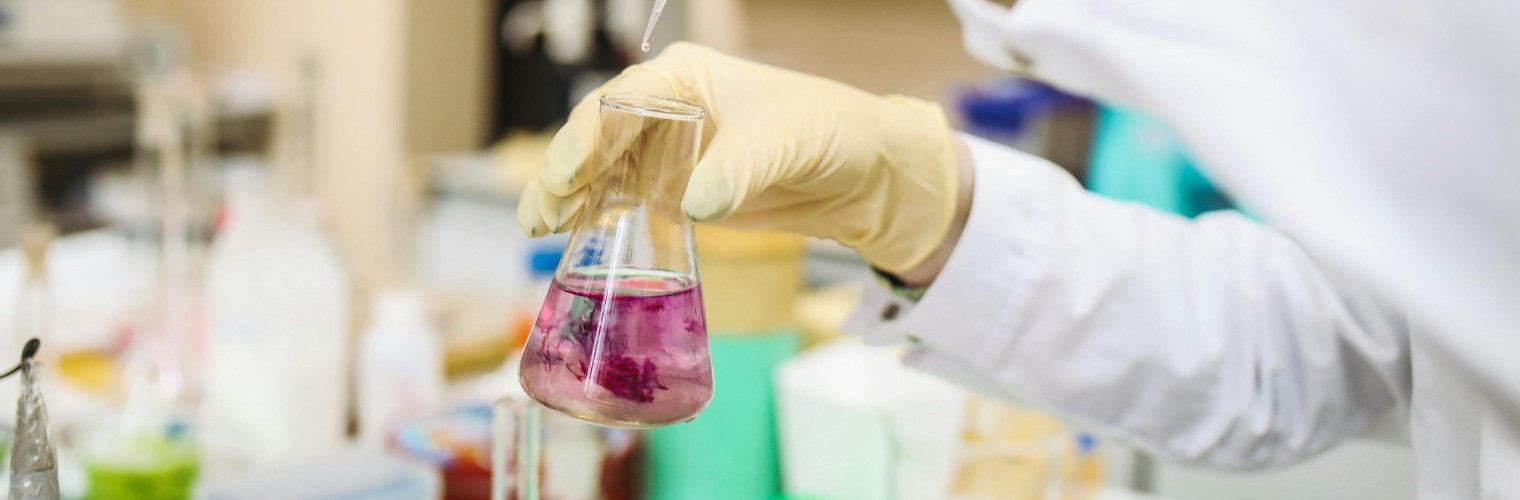
Image Courtesy: Pexels


Walk into a modern biopharma lab today, and what you don’t see is as striking as what you do. Gone are stacks of paper notebooks and hand-written protocols. In their place are cloud dashboards, automated instruments, and virtual experiment designs. Fully digital labs are fast becoming the new norm across biopharma services and life sciences research, quietly transforming how scientists discover, develop, and deliver therapies.
At their core, digital labs blur the line between physical experimentation and computational control. Researchers can design and schedule experiments from anywhere, even from home, and then monitor their progress in real time through software. In cloud laboratories, for example, scientists submit protocols digitally and let advanced systems execute them on their behalf, overcoming geographic and resource barriers while boosting reproducibility.
Smarter Workflows, Less Busy Work
One of the biggest shifts digital labs bring is freedom from repetitive manual tasks. Traditional labs require hours of logging results, transcribing data, and reconciling instrument outputs. Today, tools like Electronic Lab Notebook (ELNs) and Laboratory Information Management System (LIMS) capture data automatically, centralise records, and make everything searchable. That means researchers spend more time asking scientific questions and less time chasing spreadsheets.
Data integrity improves, too. Digital systems reduce the chance of transcription errors, ensure audit trails for compliance, and make regulatory submissions smoother. That’s a game-changer in biopharma, where the margin for error is tiny, and the regulatory bar is high.
A New Kind of Collaboration
Digital labs don’t just streamline individual work, they change how teams collaborate. Platforms unify data from different instruments and sites, giving scientists a shared “single source of truth.” Whether it’s collaborators down the hall or across the globe, everyone can view the same results simultaneously, iterate more rapidly, and avoid duplicating experiments.
This connectedness supports broader scientific goals, too. For example, aggregated historical data can help predict which molecules are worth exploring next, reduce costly dead-ends, and accelerate drug discovery timelines.
Automation and AI: A Powerful Duo
Automation in modern labs isn’t just about robots and pipetting solutions. It’s about building systems that think and adapt. Advanced platforms use machine learning to analyse vast datasets, suggesting optimal workflows or flagging anomalies before they become problems. That’s especially valuable in biopharma R&D, where complex assays and high volumes of data are the norm.
Digital technologies like digital twins, virtual replicas of lab processes or equipment, are gaining traction too. Scientists can simulate experiments or manufacturing conditions in silico before trying them in the real world. This predictive power cuts down waste, saves reagents, and helps teams make smarter decisions faster.
Real Impact on Scientists’ Lives
All this digital shift adds up to real, day-to-day benefits:
Speed: Results get returned faster, and turnaround times drop as data flows seamlessly from instruments to analysis tools.
Accuracy: Automated record keeping and analytics boost confidence in results and reduce human error.
Flexibility: Scientists can design and monitor experiments remotely, making work more adaptable and less tied to a physical bench.
Scale: Centralised data systems make it easier to manage growing datasets, collaborate across teams, and scale projects without drowning in paperwork.
This doesn’t mean labs are entirely human-free. People still drive the creativity, insight, and intuition that make science possible. But digital tools are taking on the heavy lifting, the grunt work no one wants, across labs and biopharma services, so scientists can focus on what matters most: discovery.





