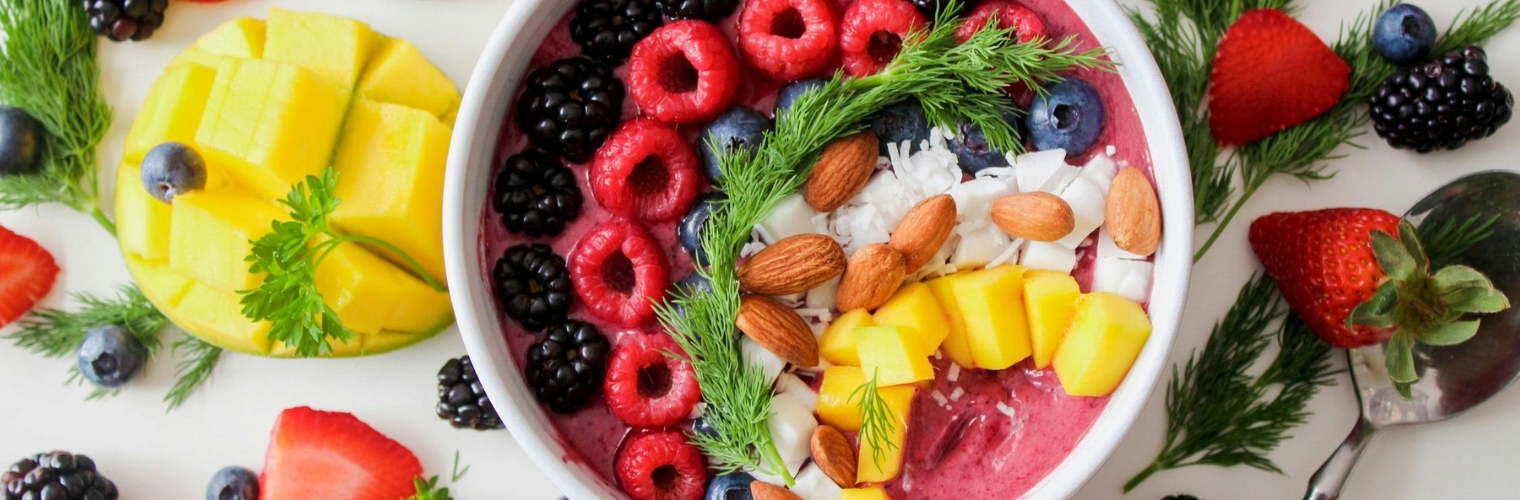


Mediterranean Diet is a way of eating followed in countries around the Mediterranean Sea, such as Italy, Spain, France, and Morocco. While the diet can have slight differences from place to place, the core idea remains the same: consuming a variety of fruits, veggies, legumes, olives, and small amounts of red meat. It also focuses on lifestyle changes, including being active, getting enough rest, and sharing meals with family and friends.
Here we explore why and how to overhaul your diet to eliminate harmful inclusions and adopt healthy alternatives for a balanced diet.
What Makes the Mediterranean Diet Special?
Whole and minimally processed foods are the main focus of the Mediterranean diet. The spotlight is on plant-based components such as fruits, vegetables, whole grains, legumes, and nuts. Moderate amounts of fish, poultry, and dairy products supply vital nutrients, while olive oil, an essential constituent of Mediterranean cookery, substitutes harmful fats. Because processed foods and red meat are consumed in moderation, this diet is heart-healthy.
Beyond food, the Mediterranean diet promotes conscious eating, social meals with family and friends, and physical activity, which gives its health advantages a more comprehensive aspect.
The Science-Backed Benefits of the Mediterranean Diet
- Heart Health: There is a significant amount of scientific literature that points to a reduced risk of cardiovascular diseases due to the high intake of omega-3 fatty acids from fish and monounsaturated fats from olive oil.
- Improved Blood Sugar Control: The diet’s fiber-rich foods will help in stabilizing blood glucose levels, making it ideal for managing type 2 diabetes.
- Brain Function: Early research suggests it may slow cognitive decline and lower the risk of Alzheimer’s and dementia.
- Anti-Inflammatory Effects: Consuming legumes, nuts, and fish helps combat inflammation, offering relief for conditions like rheumatoid arthritis.
Tips to Get Started with the Mediterranean Diet
Transitioning to this way of eating can be simple and enjoyable. Here’s how you can incorporate its principles into your daily routine:
- Fill Your Plate with Plants: Include a variety of vegetables, fruits, and legumes. Opt for colorful options like spinach, tomatoes, eggplant, and carrots to ensure a nutrient-rich diet. Swap out processed snacks for fresh fruit or unsalted nuts.
- Choose Whole Grains: Replace refined carbs with whole-grain alternatives such as quinoa, barley, and whole-wheat bread. These are packed with fiber, keeping you full and energized.
- Switch to Olive Oil: Ditch butter and margarine in favor of extra virgin olive oil. Use it for sautéing, drizzling on salads, or baking.
- Eat Fish Twice a Week: Prioritize fatty fish like salmon, sardines, or mackerel for their heart-healthy omega-3 fats. Incorporate seafood like shrimp or mussels for variety.
- Limit Red Meat and Sweets: Keep red meat to no more than two servings a week and opt for lean poultry or plant-based proteins. Save desserts and sugary drinks for special occasions.
A Mediterranean Day on Your Plate
Breakfast: Greek yogurt with fresh berries, a drizzle of honey, and a sprinkle of walnuts.
Lunch: Whole-grain couscous salad with roasted vegetables, chickpeas, and a lemon-olive oil dressing.
Dinner: Grilled salmon with a side of sautéed spinach and brown rice.
Snacks: Hummus with cucumber slices or a handful of almonds.
Also read: Seasonal Dieting and the Secret to Vibrant Health
Why the Mediterranean Diet is Perfect for Modern Lifestyles
The Mediterranean diet is a celebration of life, health, and community rather than merely a method of eating. Its advantages go beyond the plate, encouraging a comprehensive strategy for wellness that includes social experiences, physical activity, and mindfulness. Adopting this way of living not only provides your body with nutrient-dense foods, but also paves the way for a long-term, better, and more satisfying life. The question is not if the Mediterranean diet is effective, but rather when you will begin to experience its amazing benefits. So why not start now? Never has the path to improved health been so tasty.
Are you prepared to switch? Start small by using olive oil instead of your usual cooking oil or by including an additional portion of veggies in your meals.





