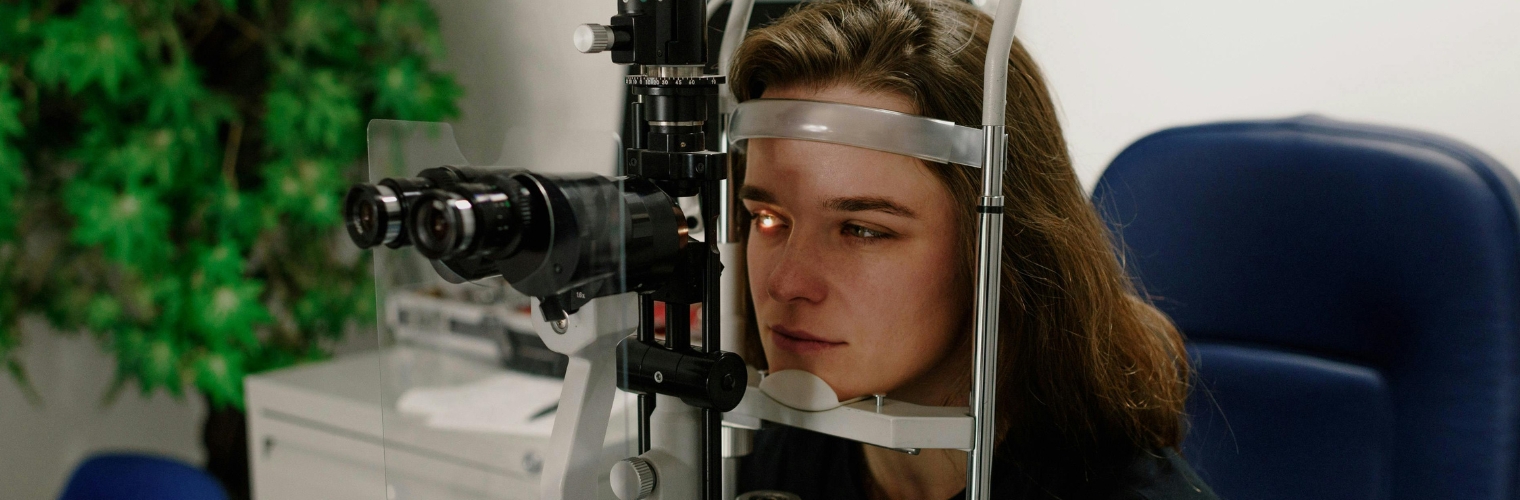


One of the most promising applications of AI in healthcare is medical imaging, where AI algorithms are enhancing diagnostic accuracy, expediting workflows, and potentially transforming patient outcomes. This blog delves into the advancements, challenges, and future prospects of AI-powered medical diagnosis.
Advancements in AI-Powered Medical Imaging
The incorporation of AI in medical imaging mainly relies on deep learning algorithms that can evaluate intricate imaging data. These technologies support radiologists by emphasizing areas of interest, measuring anatomical features, and even forecasting the progression of diseases.
A landmark study published in The Lancet Digital Health demonstrated that AI can detect diseases from medical images with an accuracy comparable to healthcare professionals. The meta-analysis reviewed 82 articles and found that deep learning algorithms correctly identified diseases in 87% of cases, while clinicians had an accuracy rate of 86%. Both AI and human professionals showed similar proficiency in recognizing healthy medical images, with accuracies of 93% and 91%, respectively.
These findings highlight the promise of AI as an aid in diagnostics, especially in radiology and pathology, where fast and accurate image analysis is essential.
Recent Developments and Industry Adoption
The healthcare industry is witnessing significant investments and legal developments concerning AI in medical imaging.
In a notable case, ChemImage, a Pittsburgh-based biotech firm, filed a lawsuit against Johnson & Johnson (J&J), alleging breach of contract over AI-powered imaging software used in surgical robotics. The trial, which commenced in March 2025, highlights the growing importance and competitive landscape of AI technologies in medical diagnostics. ChemImage claims that J&J wrongfully terminated their contract, which included a $7 million upfront payment and potential royalties totaling $1.5 billion.
Meanwhile, healthcare institutions are increasingly adopting AI to enhance operational efficiency and patient care. Apollo Hospitals in India announced plans to escalate investments in AI to alleviate the workload of medical staff by automating routine tasks such as medical documentation. This initiative aims to free up two to three hours per day for healthcare professionals, allowing them to focus more on patient care.
Balancing AI’s Potential with Clinical Realities
Despite the promising advancements, integrating AI into medical imaging is not without challenges.
Several studies reveal that AI systems designed to predict patient mortality often fail to recognize critical health conditions.. This finding emphasizes the need for a nuanced understanding of the contexts in which these models perform effectively and where they fall short.
Moreover, there are concerns about AI potentially replacing medical professionals. However, experts like Shez Partovi, Chief Innovation and Strategy Officer at Philips, argue that AI is designed to complement, not replace, healthcare providers. Philips is developing advanced medical devices, such as AI-powered MRI and CT scanners, to enhance diagnostic speed and accuracy, thereby alleviating pressures on health systems and improving patient care.
Pushing the Boundaries of AI-Driven Medical Diagnosis
The future of AI in medical imaging is poised for significant growth. Continued research and development are expected to address current limitations, leading to more robust and reliable AI applications.
For instance, combining AI with human expertise has shown promising results. In Europe, projects are underway to optimize stroke treatment and rare disease diagnostics using AI, indicating a trend toward personalized medicine. Additionally, AI is enhancing communication between healthcare teams and patients by automating tasks like consultation transcriptions and follow-up tracking.
However, the potential of AI in administrative functions remains underexplored due to funding challenges and lack of attention. Addressing these issues could unlock further efficiencies in healthcare delivery.
Also read: Bioconvergence: The Intersection of Biology and Technology in Healthcare
Bridging the Gap
AI-powered medical diagnosis stands at the forefront of a healthcare revolution, offering tools that enhance diagnostic accuracy and efficiency. While challenges persist, such as ensuring reliability and integrating AI seamlessly into clinical workflows, the trajectory of current research and industry adoption is promising. As AI continues to evolve, its role in medical imaging is likely to expand, ultimately contributing to improved patient outcomes and a more efficient healthcare system.





