
BioPharma
Beyond Drug Discovery: The Biotechnology Industry Enters the AI-Native Era
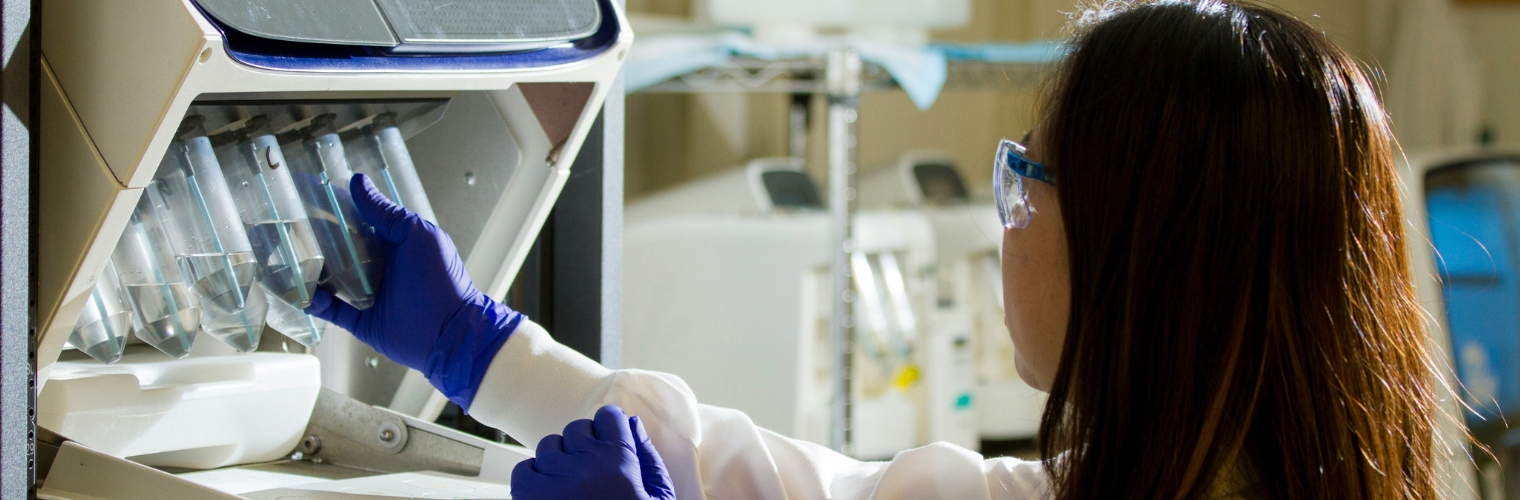
Image Courtesy: Unsplash


Artificial intelligence is reshaping biotechnology far beyond molecule screening. Research organizations are redesigning data infrastructure, laboratory workflows, target discovery, and clinical development around AI from the ground up. Recent industry activity reflects that transition. GSK’s expanded partnership with Relation Therapeutics combines proprietary human cellular datasets with AI models to identify novel drug targets, highlighting the growing value of high quality biological data alongside advanced models. At the same time, AI continues to accelerate clinical development, regulatory documentation, and R&D operations across the pharmaceutical sector.
The biotechnology industry is entering an AI native operating model where data, computation, and biology evolve together rather than as separate disciplines.
Also read: The State of the Biotechnology Industry in 2026
Data Quality Separates Modern Biotech Platforms
Drug discovery has traditionally centered on identifying promising compounds before validating them through years of laboratory research.
AI introduces a different starting point. Large scale multimodal datasets, including genomics, proteomics, spatial biology, imaging, and clinical evidence, increasingly shape how researchers identify therapeutic targets before experimental work begins. Scientific differentiation increasingly depends on proprietary biological datasets, data quality, and computational models capable of uncovering relationships beyond conventional analysis.
Biotechnology Industry Enters the Platform Era
Modern biotechnology industry strategies increasingly combine computational science with laboratory innovation.
Technology leaders continue investing across several capabilities:
- Foundation biology models accelerate target identification using multimodal biological data
- Autonomous laboratory platforms streamline repetitive experimental workflows
- Digital biomanufacturing improves process consistency through intelligent monitoring
- AI assisted clinical development shortens documentation and regulatory preparation cycles
Combined, these capabilities strengthen scientific productivity while allowing research teams to evaluate more therapeutic opportunities within existing development timelines.
Research Platforms Unlock Scientific Scale
Scientific breakthroughs increasingly depend on platform design rather than individual technologies.
Research environments now connect laboratory information management systems, cloud computing, high performance analytics, knowledge graphs, and AI models into unified research ecosystems. Every experiment enriches future model performance, while every computational prediction informs subsequent laboratory validation.
Deloitte’s 2026 Life Sciences Outlook reinforces this transition, with 78% of biopharma executives expecting AI to drive major organizational change across their organizations. The finding reflects an industry moving beyond isolated AI projects toward enterprise-wide computational research platforms.
Platform architecture therefore becomes a long term scientific asset instead of supporting infrastructure.
Computational Infrastructure Shapes Scientific Capacity
AI-native biotechnology depends on more than advanced models. Research organizations require interoperable laboratory systems, high performance computing, multimodal data platforms, and governed data pipelines capable of supporting continuous scientific discovery.
Computational infrastructure now influences how quickly organizations can validate hypotheses, reproduce experiments, integrate biological evidence, and translate research into therapeutic development. Scientific scale increasingly depends on the maturity of the underlying digital architecture rather than laboratory capacity alone.
Frequently Asked Questions
How Does AI Change Biotechnology Research?
AI accelerates biological interpretation by connecting multimodal datasets, predicting therapeutic targets, supporting laboratory automation, and improving clinical development workflows. Laboratory research remains essential for validating computational findings before clinical application.
What Forms the Foundation of AI Native Biotechnology?
Building trusted biological data infrastructure often creates the strongest foundation. High quality datasets, interoperable research platforms, and scalable computational environments enable AI models to generate more reliable scientific insights while supporting future innovation initiatives.





