Medical Devices and Technology
Are Connected Medical Devices Creating New Cybersecurity Risks?

Image Courtesy: Pexels


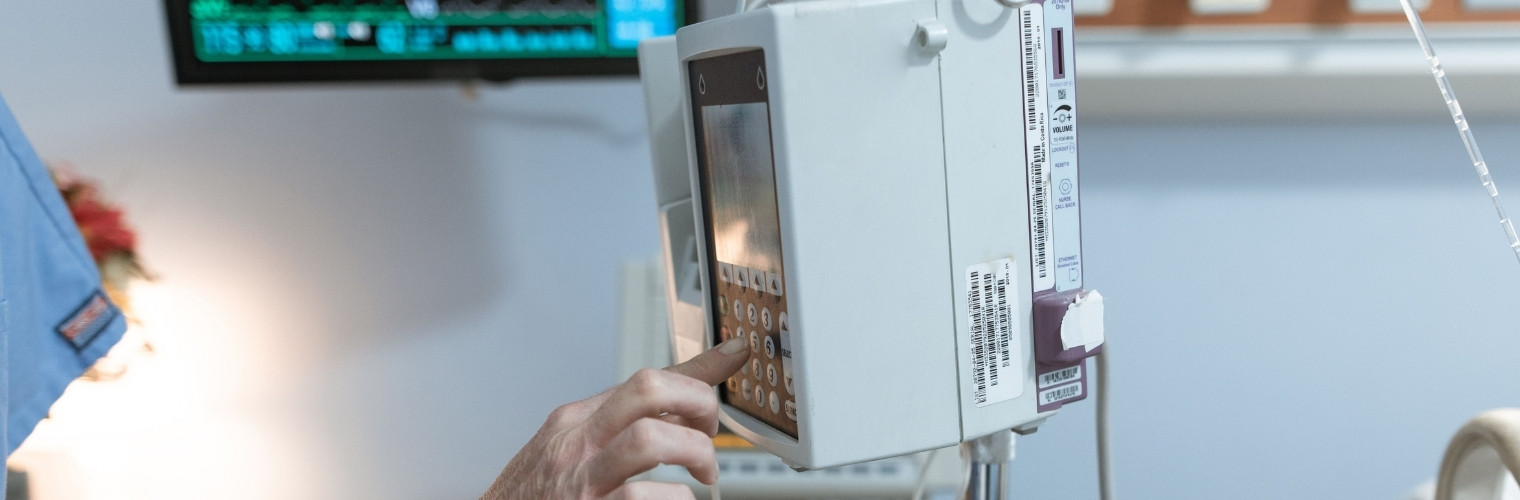
Imagine a hospital where an infusion pump, cardiac monitor, and patient management system communicate seamlessly. Clinicians receive real-time updates, respond faster, and make informed decisions.
Now imagine someone compromising one of those connections. As connected medical devices become integral to modern healthcare, cybersecurity threats extend beyond stolen information. A compromised system could interrupt treatment, manipulate clinical data, or delay critical interventions.
Healthcare organizations must therefore reconsider what device security means when technology directly influences patient outcomes.
Connected Medical Devices Have Changed the Meaning of Cyber Risk
Traditional cybersecurity strategies prioritize protecting networks, applications, and sensitive information. Medical technology introduces another dimension: physical patient safety.
Consider three scenarios.
1. When a Device Becomes an Entry Point
A poorly secured medical device could provide attackers with access to connected hospital systems. Weak authentication, outdated software, and unprotected communication channels can increase exposure.
2. When Clinical Data Becomes Unreliable
Clinicians depend on accurate information to make treatment decisions. If attackers alter monitoring data or disrupt transmission, medical teams could act on incomplete or misleading information.
3. When Availability Becomes Critical
An unavailable business application causes inconvenience. An unavailable patient monitoring system could interrupt essential care.
These possibilities explain why cybersecurity deserves attention throughout the medical device lifecycle.
The Security Problem Extends Beyond the Device
Medical technology rarely operates independently. Devices interact with hospital networks, cloud platforms, electronic health records, mobile applications, and third-party services. Every integration creates dependencies that security teams must understand.
The FDA’s February 2026 guidance emphasizes cybersecurity considerations in device design, quality management, and premarket submissions. It reinforces the importance of building resilience into medical technology.
The Hidden Challenge of Legacy Technology
Hospitals frequently operate equipment with long service lives. Some older devices cannot easily accommodate modern security updates or monitoring tools.
Replacing every vulnerable system immediately may be financially or clinically impractical. Organizations must therefore balance cybersecurity improvements with equipment availability, operational continuity, and patient needs.
What Happens When Security Becomes a Clinical Responsibility?
Cybersecurity decisions increasingly require collaboration between IT specialists, biomedical engineers, clinicians, and manufacturers.
Each group understands different consequences of system failure. Security professionals recognize technical vulnerabilities. Clinicians understand how interruptions affect treatment. Manufacturers understand device architecture and maintenance limitations. Together, they can evaluate risks more effectively.
Design Protection Around Patient Outcomes
Healthcare organizations can strengthen protection through several coordinated practices:
Segment networks: Restrict unnecessary communication between medical equipment and unrelated systems.
Control access: Apply appropriate authentication and authorization measures.
Monitor vulnerabilities: Identify weaknesses and coordinate updates with manufacturers.
Prepare clinical contingencies: Establish safe procedures when connected systems become unavailable.
Assess suppliers: Examine cybersecurity responsibilities across third-party technology providers.
These measures align with established medical device security principles, including recommendations from the FDA and NIST.
ALSO READ: Digital Diagnostics: Is Innovation Outrunning Clinical Evidence?
Connected Medical Devices Need Security That Protects Care
Healthcare connectivity will continue expanding because it offers meaningful clinical advantages. However, stronger digital capabilities demand equally strong accountability.
Organizations that treat cybersecurity as part of patient safety can make more informed decisions about device procurement, deployment, monitoring, and maintenance. The future of connected medical devices depends on more than technological sophistication. It requires healthcare ecosystems that remain trustworthy when systems face unexpected threats.