
Medical Devices and Technology
How Wearable Medical Devices Are Creating a New Generation of Digital Biomarkers
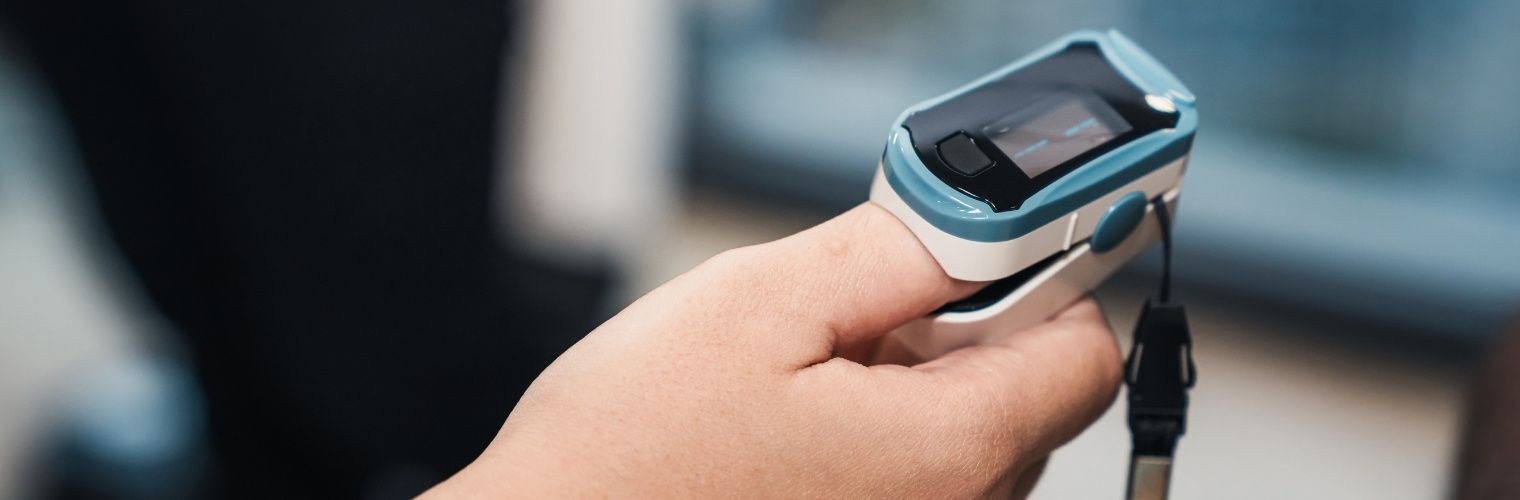
Image Courtesy: Shutterstock


A smartwatch that records heart rate is useful. A device that can detect subtle physiological changes before symptoms appear is potentially transformative. That is the direction healthcare is moving.
As wearable medical devices become more sophisticated, they are generating continuous streams of physiological data that can be translated into digital biomarkers—measurable signals that may help clinicians understand disease progression, treatment response, and patient risk in ways traditional episodic testing cannot.
The shift is important because healthcare is beginning to move from snapshots to patterns.
Wearable Medical Devices Are Turning Everyday Data Into Clinical Signals
Traditional biomarkers usually come from blood tests, imaging, or other point-in-time assessments. Digital biomarkers work differently. They can capture how a person’s body behaves across hours, days, or weeks.
That continuous perspective creates a richer picture.
From Raw Data to Meaningful Patterns
Modern wearables can track much more than steps. Depending on the device, they may collect heart rate, oxygen saturation, temperature, sleep patterns, movement, respiratory activity, and electrical cardiac signals.
The real value, however, does not come from collecting more data. It comes from identifying meaningful changes within that data.
A gradual shift in resting heart rate, for example, may mean little by itself. When combined with changes in sleep quality, activity, temperature, or respiration, it can become part of a broader physiological pattern. This is where wearable medical devices start moving beyond consumer wellness and toward clinical intelligence.
The Next Digital Biomarker May Be a Pattern, Not a Number
Healthcare has traditionally looked for individual indicators: one measurement, one test, one threshold. Wearables are challenging that model.
Digital biomarkers can combine multiple signals over time, allowing healthcare teams to examine variability, trends, and deviations from an individual patient’s baseline.
That opens the door to several possibilities:
- Earlier identification of health deterioration
- Remote monitoring of chronic conditions
- More objective measurement of treatment response
- Better tracking during clinical trials
- Personalized interventions based on individual patterns
For pharmaceutical companies, hospitals, and digital health providers, these signals could also create new ways to understand how patients behave outside controlled clinical environments.
Continuous Monitoring Changes the Timing of Care
The biggest change may not be what healthcare organizations can measure, but when they can respond.
Instead of waiting for a patient to report worsening symptoms, continuous monitoring could reveal meaningful physiological changes earlier. In this model, wearable medical devices become part of an early-warning system.
That could be especially valuable for conditions in which deterioration happens gradually or where frequent hospital visits are impractical.
But continuous data also creates a new challenge: healthcare teams must separate clinically meaningful signals from noise. Algorithms, validation frameworks, interoperability, and clinical context therefore become just as important as the sensor itself.
Trust Will Determine Whether Digital Biomarkers Scale
Collecting data is easy compared with proving that it matters. Healthcare organizations will need strong evidence that digital biomarkers are accurate, reproducible, clinically relevant, and appropriate for the population being monitored.
They will also need to address privacy, data ownership, interoperability, algorithmic bias, and integration into clinical workflows.
A digital biomarker that generates more alerts without improving decisions creates complexity rather than value. The winners in this market will therefore be the organizations that connect technology with clinical usefulness.
ALSO READ: Can Wearable Medical Devices Predict Health Events Before Symptoms Appear?
To Conclude
The future of biomarkers may be less about a single laboratory result and more about continuous biological patterns.
As wearable medical devices become more clinically capable, they could help healthcare move toward earlier intervention, personalized monitoring, and more data-driven decision-making.
The opportunity is not simply to measure more. It is to understand patients better, between appointments, in everyday life, and at the moment meaningful change begins.





