
Medical Devices and Technology
Cuffless Tracking and the Future of Wearable Medical Devices
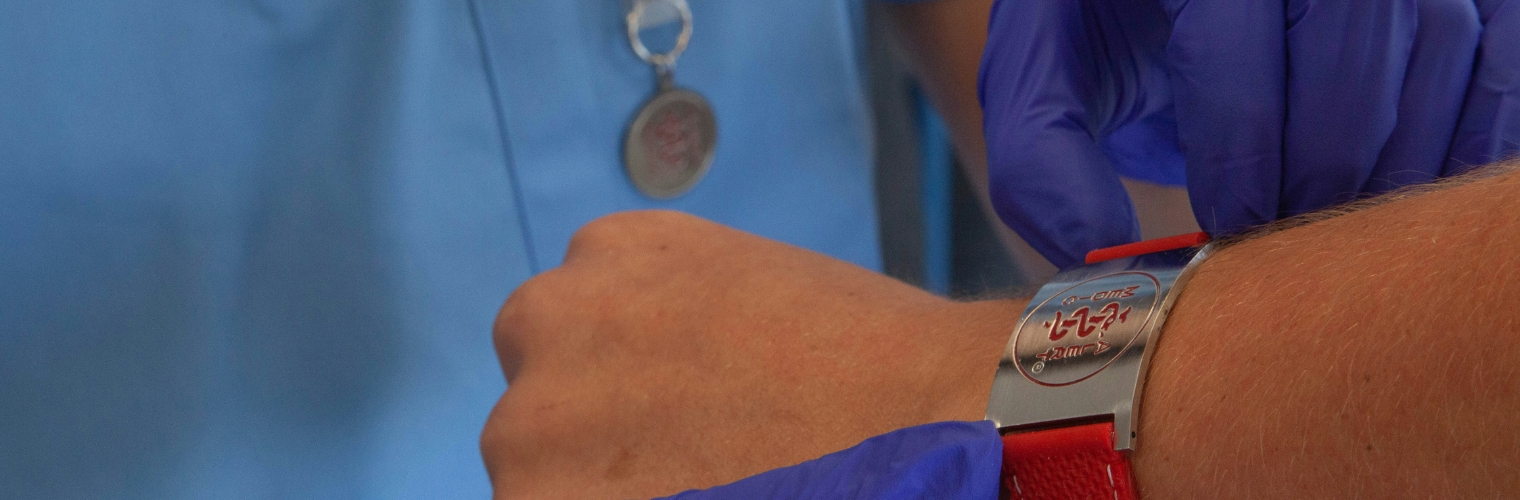
Image Courtesy: Unsplash


The contemporary healthcare landscape evolves rapidly as advanced optical sensor technology systematically replaces traditional diagnostic equipment. Cardiovascular patients increasingly demand continuous physiological observation without suffering the physical restrictions inherent to legacy hardware. The systematic integration of wearable medical devices into daily health management protocols resolves this clinical challenge by continuously delivering instantaneous diagnostic intelligence.
Also Read: Medical Imaging Technology Meets Surgical Robotics: The Rise of AR-Guided Precision Interventions
How Do Wearable Medical Devices Transform Blood Pressure Monitoring?
Historically, hypertension management required cumbersome inflatable cuffs that yielded merely static snapshots of cardiovascular performance. Today, engineers answer the pressing demand for continuous observation through advanced photoplethysmography and conformal piezoelectric microsystems. These sophisticated systems autonomously capture instantaneous pulse transit times to calculate minute arterial pressure variations without requiring physical vascular compression. Users simply don intelligent biometric rings to seamlessly acquire clinical grade physiological metrics.
Why Are Biosensors Crucial for Remote Patient Monitoring?
Hardware engineers embed highly sensitive biosensors into unobtrusive form factors to capture microscopic physiological fluctuations accurately. These integrated components seamlessly execute multimodal data analysis by tracking several key biological metrics concurrently:
- Fusing electrocardiogram readings with peripheral skin temperatures
- Extracting highly actionable health signals from immense raw data volumes
- Transmitting instantaneous metabolic updates securely via the Internet of Medical Things
Furthermore, proactive consumers increasingly deploy wearable medical devices to empower their supervising physicians. This perpetual data stream actively allows medical professionals to adjust therapeutic interventions proactively rather than merely reacting during severe emergency hospital admissions. Market analysts project the global sector for such equipment will command an impressive $330.5 billion valuation by 2033, propelled primarily by remote patient monitoring innovations. Such exponential financial growth demonstrates conclusively that modern populations demand seamless preventative care frameworks.
Are Wearable Medical Devices the Ultimate Healthcare Solution?
These disruptive technologies successfully bridge the formidable gap between sterile clinical settings and dynamic daily life. As internal hardware continuously shrinks and predictive analytical algorithms improve exponentially, continuous glucose monitors and intelligent trackers will ultimately render periodic baseline health screenings obsolete. Vulnerable patients maintain essential autonomy while supervising physicians instantly receive the continuous data streams necessary for highly precise medical interventions.





