
Medical Devices and Technology
Medical Imaging Technology Meets Surgical Robotics: The Rise of AR-Guided Precision Interventions
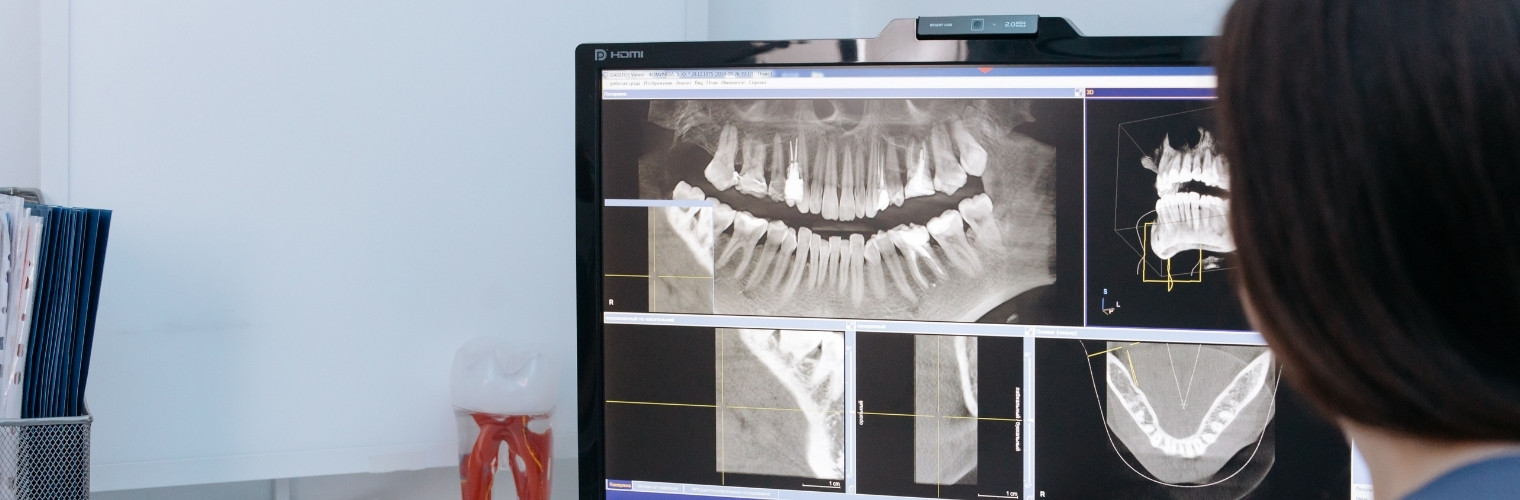
Image Courtesy: Pexels


For decades, surgeons relied heavily on mental spatial mapping—looking up at a monitor displaying 2D scan slices, then looking back down at the patient to execute delicate incisions. Today, that cognitive disconnect is rapidly disappearing. By merging augmented reality (AR) with high-dexterity robotic arms, advanced medical imaging technology now projects patient-specific 3D anatomical roadmaps directly onto the operating field in real time.
Modern operating rooms are undergoing a massive transformation. Instead of toggling between static monitors and physical instruments, surgical teams now interact with dynamic, holographic representations of organs, tumors, and vascular networks during live procedures.
1. Fusing Real-Time Medical Imaging Technology with Holographic Overlay
The heart of AR-guided intervention lies in data integration. High-resolution CT and MRI scans provide detailed structural views, but standard displays force surgeons to look away from the operating table. Modern medical imaging technology translates preoperative scans into interactive 3D holograms. Using specialized head-mounted displays, surgeons project these holograms directly over the patient’s body with sub-millimeter precision. This live visual guidance allows surgical teams to see through tissue, identify critical blood vessels, and map precise entry points before making the first incision.
2. Enhancing Robotic Arms with Sub-Millimeter Guidance
While AR supplies the visual roadmap, robotic systems deliver physical execution. Tremor-filtering robotic arms allow surgeons to perform complex maneuvers through tiny incisions with unmatched dexterity. When paired with AR overlays, the robotic end-effectors track anatomical shifts continuously. If an organ shifts during respiration or tissue manipulation, dynamic registration algorithms update the visual guidance instantly. This synergy drastically reduces accidental tissue damage and shortens overall procedure times.
3. Improving Outcomes in High-Stakes Surgeries
Complex disciplines like neurosurgery, orthopedic reconstruction, and oncology benefit immensely from this hybrid approach. In brain tumor resections, for example, distinguishing healthy brain tissue from malignant cells poses a critical challenge. AR overlays outline exact tumor boundaries in high-contrast color directly within the surgeon’s field of view. Consequently, surgeons remove diseased tissue with maximum thoroughness while preserving vital neurological structures, leading to faster patient recovery and fewer post-operative complications.
ALSO READ: Overcoming the Scaling Bottlenecks of Wearable Medical Devices in RPM
The Future of Precision Healthcare
The convergence of spatial computing and robotic dexterity marks a pivotal leap forward in patient care. As AI algorithms continue to refine real-time image processing, the continuous evolution of medical imaging technology will pave the way for safer, fully integrated digital operating rooms worldwide.





