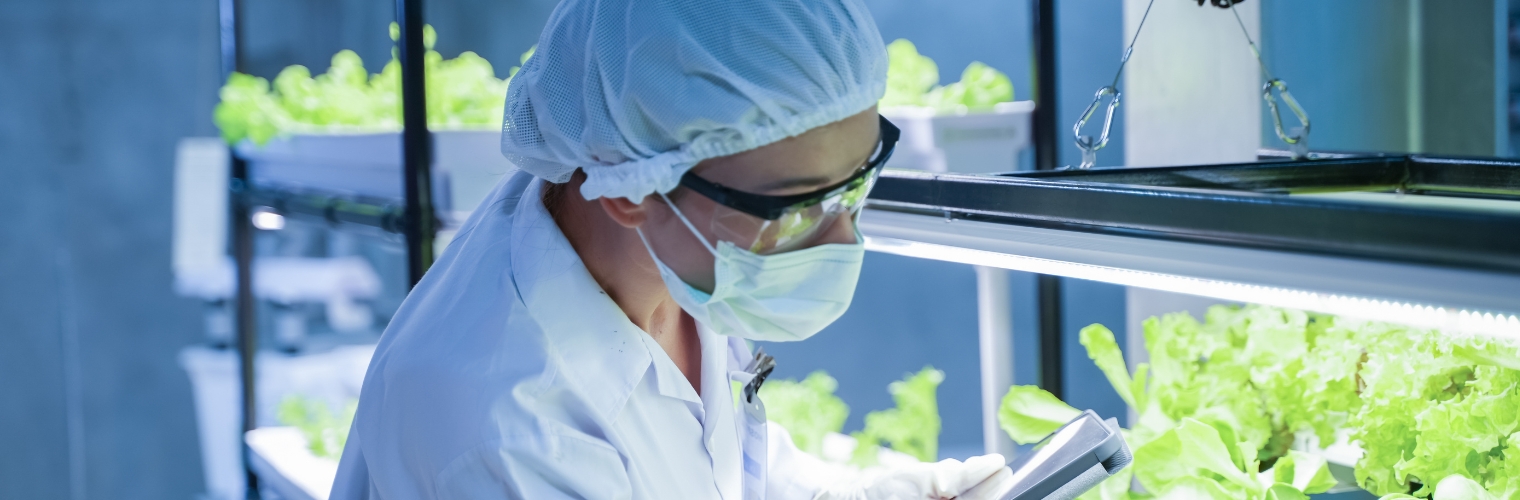


The biotechnology industry continues to evolve rapidly in 2026, driven by groundbreaking research, artificial intelligence, precision medicine, and sustainable innovation. From developing life-saving therapies to improving agricultural productivity, biotechnology has become a cornerstone of global scientific and economic progress.
As governments and private investors increase funding, the biotechnology industry is expected to play an even greater role in addressing some of the world’s biggest challenges.
Key Trends Shaping the Biotechnology Industry
One of the biggest trends in the biotechnology industry is the integration of artificial intelligence (AI) into research and development. AI-powered tools are accelerating drug discovery, reducing research costs, and enabling scientists to identify promising treatments faster than ever before.
Gene editing technologies, such as CRISPR, continue to revolutionize healthcare by offering potential cures for genetic disorders. Personalized medicine is also gaining momentum, allowing treatments to be tailored to individual patients based on their genetic makeup. These innovations are improving patient outcomes while making healthcare more efficient.
Biotechnology Beyond Healthcare
Although healthcare remains the largest segment, the biotechnology industry has expanded into agriculture, environmental conservation, and industrial manufacturing.
In agriculture, biotechnology is helping develop crops that are more resistant to drought, pests, and diseases. This contributes to improved food security while reducing dependence on chemical pesticides.
Environmental biotechnology is another growing field. Scientists are using biological processes to reduce pollution, recycle waste, and create sustainable alternatives to fossil fuels. Bio-based plastics, renewable biofuels, and carbon capture technologies are becoming increasingly important as industries seek greener solutions.
Challenges Facing the Biotechnology Industry
Despite remarkable progress, the biotechnology industry faces several challenges. Regulatory approval processes remain lengthy and expensive, making it difficult for smaller biotech companies to bring innovations to market quickly.
Data privacy is another concern, particularly as genomic data becomes central to personalized medicine. Companies must balance innovation with ethical responsibilities and strict data protection standards.
Additionally, rising research costs and global competition require biotech organizations to invest strategically in talent, infrastructure, and partnerships to remain competitive.
Investment and Market Outlook
Investor confidence in the biotechnology industry remains strong in 2026. Venture capital firms, pharmaceutical companies, and government agencies continue to fund research into advanced therapeutics, rare diseases, synthetic biology, and regenerative medicine.
Emerging markets are also becoming significant contributors to biotechnology innovation, creating new opportunities for international collaboration and commercialization. As digital technologies become more integrated with life sciences, the industry is expected to experience sustained long-term growth.
Conclusion
The biotechnology industry is entering a transformative era where scientific breakthroughs are reshaping healthcare, agriculture, and environmental sustainability. While challenges such as regulation and funding remain, continued innovation, strategic investment, and technological advancements position the biotechnology industry for significant growth in the coming years. Businesses, researchers, and policymakers that embrace these changes will be well-positioned to lead the next wave of biotechnology innovation.





