
BioPharma
Choosing a Contract Research Organization: A Due-Diligence Checklist for Pharmaceutical Research Sponsors
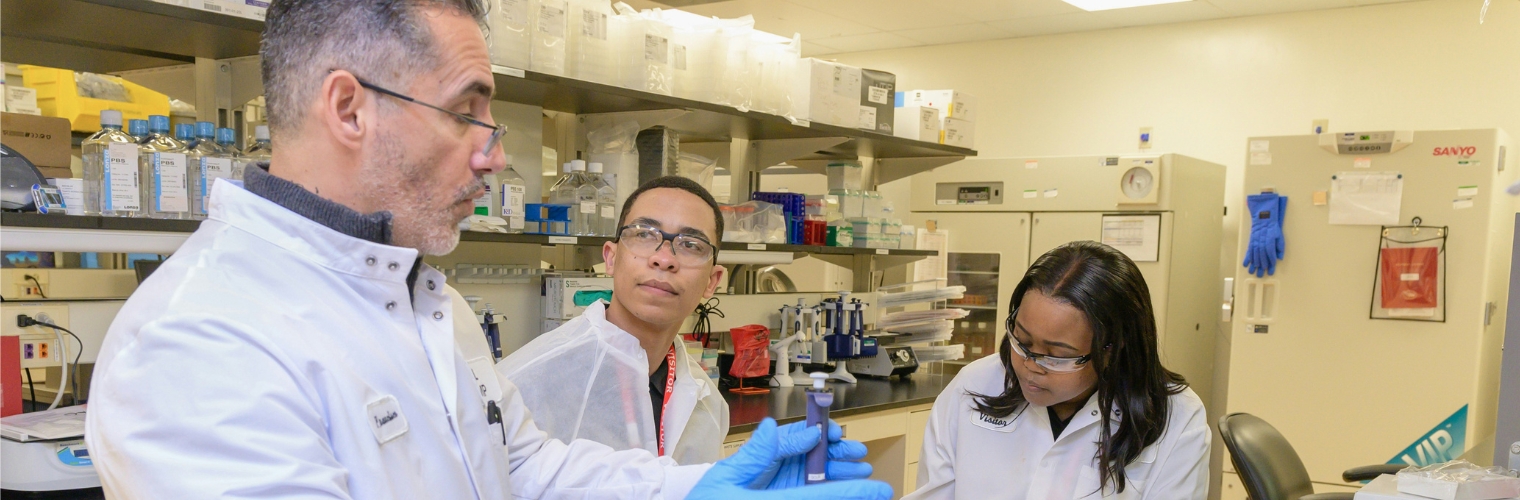
Image Courtesy: Unsplash


Picking a CRO used to come down to price per patient and therapeutic track record. That math no longer holds up on its own. Contract research organizations are consolidating through private equity roll-ups, shedding non-core divisions mid-contract, and rebuilding capability around a regulatory landscape that now favors single pivotal trials over the old two-study default.
A due-diligence checklist for pharmaceutical research sponsors written even two years ago misses most of what actually predicts trial success today. Here is what belongs on the list instead.
Also read: How Pharmaceutical Research Is Improving Clinical Trial Success Rates
Who Owns Your CRO by the Time the Trial Reads Out?
Ownership has become the quiet variable sponsors underweight. Charles River divested its CDMO and cell solutions units to GI Partners in early 2026 and sold its European discovery business to IQVIA. WuXi AppTec exited its clinical and site-management operations entirely. Thermo Fisher closed its acquisition of Clario in March. None of these moves broke an active protocol, but each one changed who answers the phone when a query needs resolving. Ask for change-of-control language in the master services agreement, and ask what happened to data continuity the last time the CRO changed hands.
The Data Room Test Most Sponsors Skip
A capabilities deck will always look clean. A real audit trail rarely does, and that is the point. Request de-identified 483 observations and prior GCP inspection outcomes before the proposal stage. A CRO that hesitates to share its inspection history is telling sponsors something a glossy slide never will.
Can It Run a Single Pivotal Trial, or Just Describe One?
FDA’s 2026 shift toward one adequate and well-controlled study, backed by confirmatory evidence, changes what a CRO’s biostatistics team needs to deliver. Adaptive designs, biomarker-driven endpoints, and real-world data integration are no longer specialty add-ons; they are baseline expectations for any submission built around the new standard. Ask for a named example where the design work held up through an actual FDA review, not a hypothetical built for the pitch.
Where Pharmaceutical Research Due Diligence Still Gets It Wrong
Sponsors spend most of their evaluation time on the CRO in front of them and almost none on who sits behind it. Preclinical work, biostatistics, and even site monitoring are frequently subcontracted two or three layers deep. With FDA’s new approach methodologies drawing sponsors toward organ-on-chip and in silico models instead of mandatory animal testing, ask specifically whether that capability is owned in-house or leased from a subcontractor who could be swapped out without notice.
Five Questions Worth Asking Before the RFP Goes Out
A handful of direct questions surface more than any scoring template:
- Which molecules or modalities has the CRO advanced through FDA’s plausible mechanism pathway?
- What is the average time between a data query and its resolution across the last three studies?
- Does organ-on-chip or in silico validation capacity exist in-house today?
- How many sponsors has the CRO lost to a competitor in the past eighteen months, and why?
- Which subcontractors touch the data before it reaches the sponsor’s own biostatistics team?
Vague answers to any of these point to a partner still building capability sponsors need already in place.
Fast Answers for a Shortlist Under Time Pressure
Does a larger CRO always mean lower risk? Scale reduces some vendor risk but adds integration exposure from its own merger history. Size alone predicts neither.
How much should geography weigh in the decision? Enough to matter. Growing regulatory maturity in India and Eastern Europe has made both regions credible recruitment hubs, but capability should map to the target patient population, not just cost per site.





