Medical Devices and Technology
The Hidden Vulnerability in Wearable Medical Devices: Why Anyone Can Fake an RPM Reading
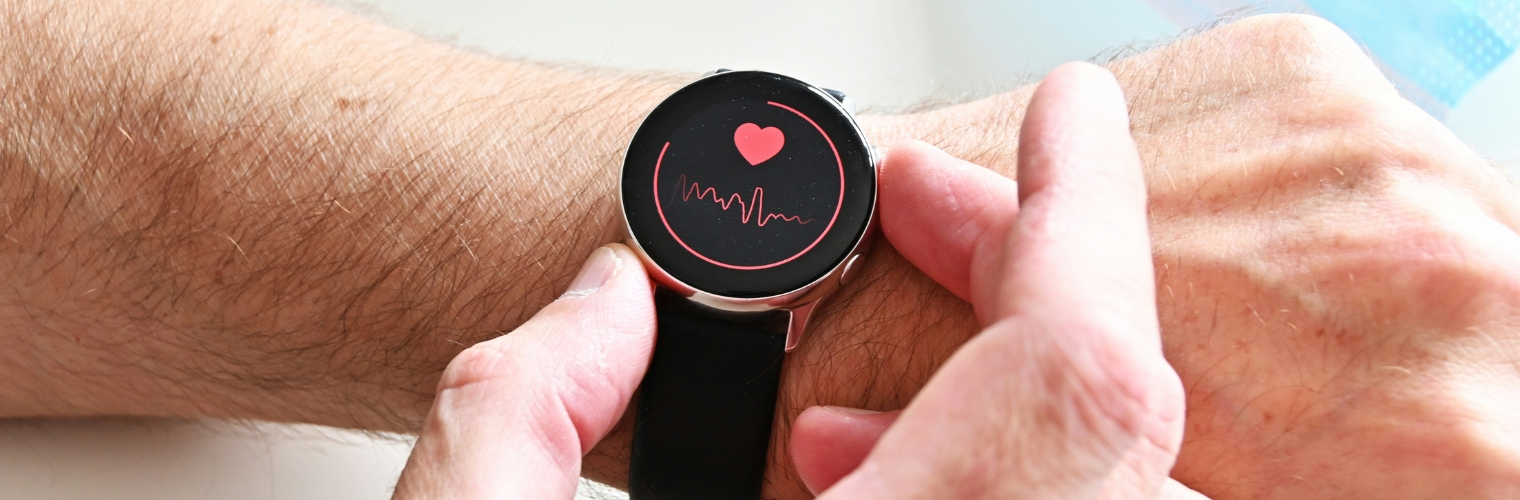
Image Courtesy: Unsplash


Remote patient monitoring runs on one quiet assumption: the vitals landing in a clinician’s dashboard actually came from the patient attached to that billing code. That assumption is starting to crack. As reimbursement grows and more chronic care shifts onto wearable medical devices, a risk is surfacing that has everything to do with identity and little to do with breached servers.
This blog looks at why authenticity, rather than encryption, may be the real fault line in remote monitoring, what is exploitable today, and what would need to change before anyone trusts the data blindly.
Also read: The Role of Digital Health Technologies in Value-Based Care Models
A Monitoring Model That Trusts Without Verifying
Most RPM wearables were built to transmit vitals reliably, without confirming who generated them. A pulse oximeter or blood pressure cuff assumes the wearer is the enrolled patient. Nothing in the device architecture checks that assumption. Consider a family member borrowing a cuff, a caregiver testing a device on themselves, or someone deliberately swapping signals. All produce the same clean, encrypted, perfectly transmitted reading. The pipe stays secure. The source stays unverified.
Does Encryption Solve This?
Cybersecurity conversations around medical devices mostly focus on data in transit: TLS, secure firmware, patched vulnerabilities. Those protections matter, yet they solve a different problem. Encryption protects a reading from interception or alteration on its way to the server. It confirms delivery, never origin. A spoofed or substituted vital sign, sent from a properly authenticated device, sails through every existing safeguard untouched.
FAQ: How Do These Fake RPM Readings Happen?
The gap opens in a handful of ordinary situations, each one exploiting a device that works exactly as intended:
- A spouse wears the enrolled patient’s cuff
- A caregiver tests the device on themselves
- A retired wearable reassigns to a new user
- Someone with access submits a false reading
Each scenario needs no hacking skill, no malware, no network breach. Physical access alone gets the job done.
Wearable Medical Devices Face a Trust Problem at Scale
As more chronic disease management, post-acute recovery, and hospital-at-home programs lean on wearable medical devices for billing and clinical decisions, an unverified reading becomes a patient safety and reimbursement integrity problem at once. Missed deterioration signals delay intervention. A fraudulent one skews program outcomes reported to payers.
Is This Already Being Exploited?
Clear evidence of large-scale fraud remains scarce, though the conditions are firmly in place. A 2026 medical device cybersecurity index found that 56 percent of healthcare organizations have already rejected a device over security concerns, up from 46 percent the year before. Confidence in AI-assisted monitoring stays mixed even as adoption climbs. One motivated user, rather than an organized attack, is enough to expose the gap.
What Would Actually Close the Gap?
Closing this gap means authenticating the wearer, rather than only the device. That points toward biometric liveness checks built into the sensor, continuous signal pattern verification that flags physiologically implausible shifts, and identity binding that ties one device to one enrolled patient at the firmware level. A recent analysis in npj Digital Medicine frames this exact gap as a supply chain and identity assurance challenge for wearables broadly, one current standards have yet to address.
Until identity verification becomes standard, remote monitoring programs trust the signal far more than they verify the source.