

Many people quit a low calorie diet for one reason: hunger. When meals leave you unsatisfied, discipline eventually collapses. Yet effective weight loss plans are not supposed to feel like constant deprivation. Nutrition research consistently shows that the right food choices can lower calorie intake while keeping appetite under control.
The key lies in food volume, nutrient density, and how different nutrients interact with the body’s satiety signals. When these factors are managed well, a low calorie diet becomes far easier to sustain.
Choose High-Volume, Low Calorie Foods That Fill the Plate
A plate that looks full sends a powerful signal to the brain. Foods with high water and fiber content provide volume without excessive calories, allowing meals to feel substantial.
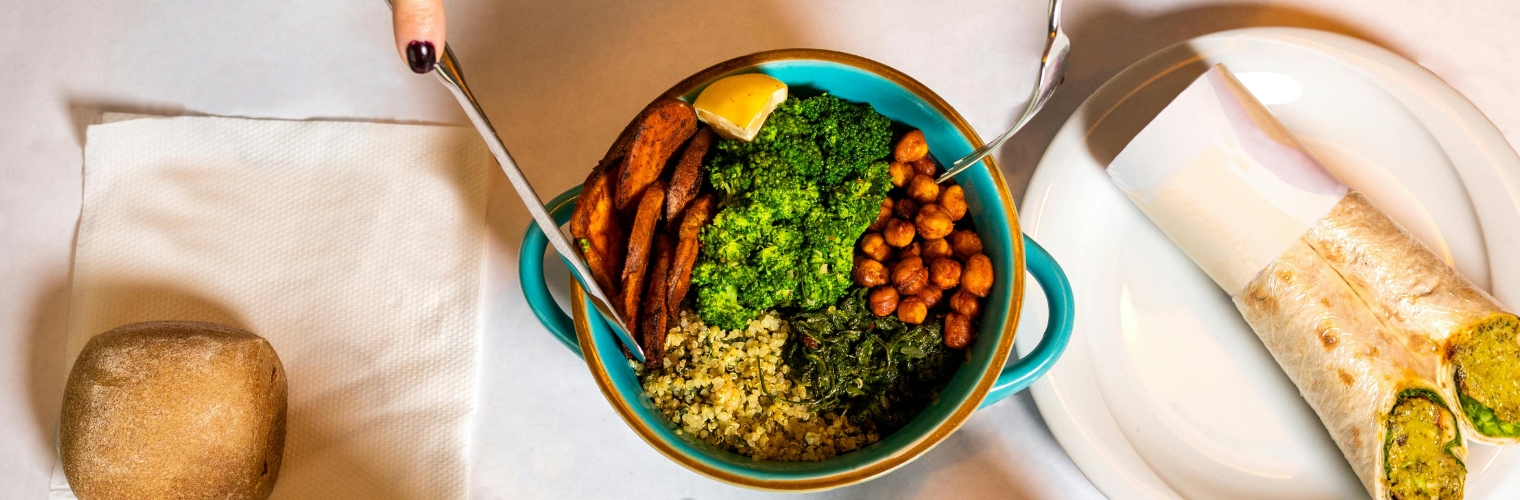
Vegetables are the foundation here. Leafy greens, broccoli, zucchini, cauliflower, and cucumbers deliver large portions with minimal energy density. Soups made with broth and vegetables also work well because water increases stomach fullness.
Research in nutrition science often refers to this concept as “energy density.” Foods lower in calories per gram allow people to eat larger portions while maintaining a calorie deficit.
Practical examples include vegetable-packed stir fries, large salads with lean protein, or roasted vegetables alongside a main dish. These meals look abundant and satisfy physical hunger without inflating calorie totals.
Prioritize Protein to Control Appetite
Protein plays a critical role in satiety. Compared with carbohydrates or fats, protein slows digestion and stimulates hormones that signal fullness.
Meals built around lean protein tend to reduce cravings later in the day. This is why many successful low calorie diets emphasize foods such as:
- Chicken breast
- Fish
- Eggs
- Greek yogurt
- Lentils and beans
A breakfast rich in protein often sets the tone for the rest of the day. Instead of a quick carbohydrate-heavy meal, options like eggs with vegetables or Greek yogurt with berries help stabilize appetite for several hours.
Also read: High Protein Diet for Weight Loss in Women Over 40
Increase Fiber Intake to Stay Full Longer
Fiber works quietly but effectively in hunger control. It slows digestion and expands in the digestive system, extending the feeling of fullness after eating.
Foods rich in fiber include:
- Oats
- Beans
- Whole grains
- Fruits such as apples and berries
- Vegetables like carrots and Brussels sprouts
Combining fiber with protein creates a powerful combination. For example, a bowl of oatmeal with Greek yogurt and berries provides both nutrients that sustain fullness.
This approach reduces the urge to snack between meals.
Avoid Ultra-Processed Foods That Trigger Hunger
Highly processed snacks often contain refined carbohydrates and added sugars that digest quickly. They spike blood sugar and cause energy crashes soon after eating.
This cycle increases hunger and encourages overeating later in the day.
Replacing packaged snack foods with minimally processed options can dramatically improve appetite control. Whole foods such as nuts, fruit, yogurt, or boiled eggs maintain stable energy levels and reduce sudden cravings.
Use Smart Meal Timing to Prevent Extreme Hunger
Long gaps between meals often lead to overeating. When people become extremely hungry, portion control becomes difficult.
Spacing meals consistently helps maintain stable appetite levels. Many individuals find success with three balanced meals and one planned snack.
The goal is not constant grazing. Instead, the objective is preventing the sharp hunger spikes that derail calorie goals.
Drink Water Before and During Meals
Hydration affects appetite more than many people realize. Mild dehydration can feel similar to hunger, prompting unnecessary snacking.
Drinking water before meals can slightly increase fullness and reduce calorie intake. Foods naturally rich in water, such as fruits and vegetables, contribute to the same effect.
A Low Calorie Diet Should Feel Sustainable
A successful low calorie diet does not rely on willpower alone. It relies on structure. Meals built around protein, fiber, and high-volume foods keep hunger manageable while maintaining a calorie deficit.
When these strategies are combined, the experience shifts. Instead of constant restriction, the diet feels balanced and realistic. That difference often determines whether weight loss lasts weeks or becomes a lasting habit.





