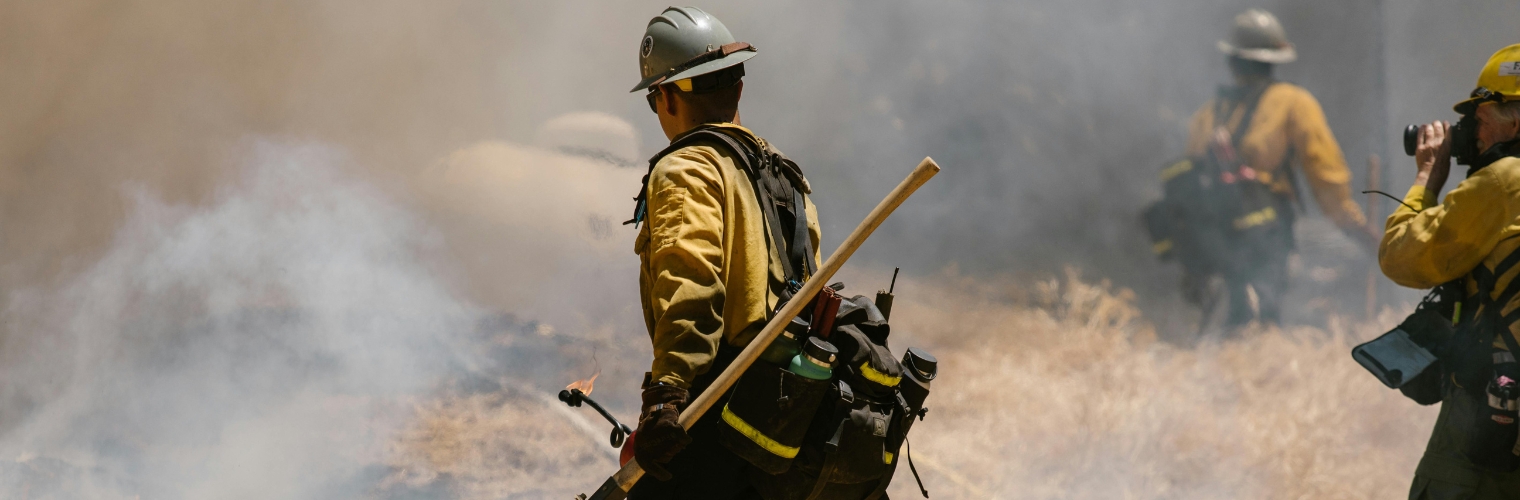


Climate change has intensified wildfire seasons across the globe, making smoke exposure a growing health concern for millions of people. Understanding how to protect yourself and your family during these hazardous air quality events is crucial for maintaining respiratory health and overall wellbeing.
Understanding Wildfire Smoke and Air Quality Risks
Wildfire smoke creates a dangerous cocktail of harmful pollutants that can travel hundreds of miles from the fire source. These toxic emissions contain microscopic particles called particulate matter, including PM10, PM2.5, and ultrafine PM0.1 particles that pose serious health risks. When inhaled, these tiny particles penetrate deep into lung tissue and can even enter the bloodstream, causing both immediate and long-term health complications.
The smoke also carries hazardous chemicals released from burning structures, vehicles, and industrial materials, creating additional toxic exposure risks. Weather patterns and atmospheric conditions can transport this contaminated air across state and national boundaries, affecting communities far from active fire zones.
Health Impacts of Smoke Exposure
Exposure to wildfire smoke triggers various health symptoms ranging from mild irritation to severe medical emergencies. Common immediate effects include eye redness and burning, skin irritation, persistent coughing, wheezing, and breathing difficulties. These symptoms often worsen with prolonged exposure or increased activity levels during poor air quality conditions.
More concerning are the serious cardiovascular and respiratory complications that can develop. Research shows that smoke exposure increases risks of heart attacks, strokes, and heart failure, particularly in vulnerable populations. Respiratory distress can escalate quickly, requiring immediate medical attention.
Identifying High-Risk Individuals
Certain groups face elevated dangers during wildfire smoke events and require extra precautions. Children are especially vulnerable because their developing respiratory systems process more air per body weight than adults. Older adults often have compromised immune systems and existing health conditions that smoke exposure can exacerbate.
Pregnant women need special protection as smoke exposure can affect fetal development and pregnancy outcomes. People with chronic conditions like asthma, COPD, heart disease, or diabetes should consult healthcare providers about emergency action plans. Outdoor workers and athletes face increased risks due to higher breathing rates and extended exposure periods.
Preparing for Wildfire Season
Proactive preparation significantly reduces health risks during wildfire emergencies. Families should develop comprehensive evacuation plans that account for multiple escape routes and designated meeting points. Emergency supply kits should include several days’ worth of prescription medications, non-perishable food items, and adequate water supplies.
Staying informed about local fire conditions through official channels helps families make timely decisions about protective measures. Many regions offer emergency alert systems that provide real-time updates about fire movements and evacuation orders.
Protecting Indoor Air Quality
Creating a safe indoor environment becomes critical during smoke events. Monitoring air quality through reliable sources like government websites helps determine when to implement protective measures. Closing all windows, doors, and outdoor air vents prevents contaminated air from entering living spaces.
High-efficiency air purifiers provide additional protection by filtering harmful particles from indoor air. When selecting air cleaning devices, avoid ozone-generating models that can worsen respiratory problems. HVAC systems should use high-quality filters that capture fine particles effectively.
Maintaining clean indoor air requires avoiding activities that generate additional pollutants. This includes eliminating smoking, reducing cooking activities that produce smoke or fumes, and avoiding vacuuming which can redistribute settled particles.
Also read: Sleeping Better with Pain: Strategies for a Restful Night
Outdoor Safety Strategies
When venturing outside during poor air quality conditions, protective measures become essential. Well-fitted N95, KN95, or P100 respirator masks provide effective filtration against harmful particles. Limiting outdoor time and reducing physical activity levels minimizes exposure risks.
Planning outdoor activities during times when air quality typically improves, such as early morning hours, can reduce exposure. Staying hydrated and recognizing early warning signs of respiratory distress helps prevent serious health complications during unavoidable outdoor exposure.





