
Nutrition and Diet
Do Antinutrients in Plant-Based Diets Hinder Nutrient Absorption?
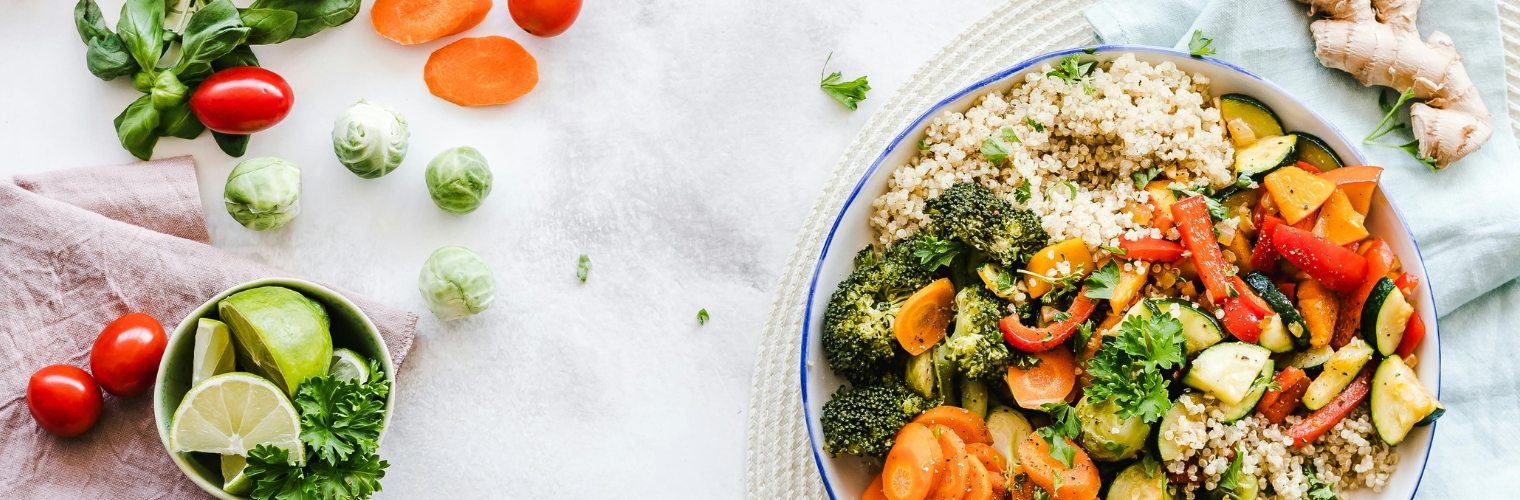
Image Courtesy: Pexels


Arguments over nutrient absorption have gotten heated as plant-based diets become more and more popular. Antinutrients are present in many plant diets. These substances have the ability to bind to necessary minerals and decrease their bioavailability. But do antinutrients actually cause harm? Understanding the situation needs examining both benefits and obstacles.
What Are Antinutrients?
Antinutrients are naturally occurring compounds in plants. They evolved as a defense mechanism against predators. These substances can inhibit nutrient absorption or digestion. Common antinutrients include phytates, oxalates, tannins, and lectins.
- Phytates: Found in seeds, grains, legumes, and nuts, they bind to minerals like calcium, iron, and zinc.
- Oxalates: Present in spinach, rhubarb, and beets, they bind to calcium and form insoluble crystals.
- Tannins: Found in tea, coffee, and legumes, they interfere with iron absorption.
- Lectins: Present in legumes and grains, they can inhibit digestion and nutrient absorption.
While these compounds raise concerns, their impact depends on various factors.
The Impact of Antinutrients on Nutrient Absorption
The most common worry is that antinutrients block the absorption of key minerals. This is particularly relevant for calcium, iron, and zinc. Studies show that phytates can reduce the bioavailability of these minerals by 50% or more. Similarly, oxalates form insoluble complexes with calcium, leading to reduced absorption.
For example, spinach is high in calcium but also rich in oxalates. This means that despite its calcium content, much of it goes unabsorbed. The same applies to beans, which are high in phytates but also a key source of plant-based iron.
However, the severity of antinutrient effects depends on the overall diet. A well-rounded plant-based diet can still provide sufficient minerals. Factors such as food processing, preparation methods, and nutrient synergy can mitigate these effects.
Food Preparation: A Key Factor
Cooking techniques significantly reduce the antinutrient content in foods. Soaking, sprouting, and fermenting legumes and grains can lower phytate levels. Soaking beans for 8-12 hours can reduce phytates by 40-60%. Sprouting grains like quinoa and lentils also decreases antinutrients and improves digestibility.
Fermentation is another effective strategy. The fermentation process used in making sourdough bread or tempeh breaks down phytates and improves mineral bioavailability. Cooking at high temperatures also reduces the antinutrient content in most foods. For example, boiling spinach can lower its oxalate levels by 30-40%.
These traditional preparation methods enhance nutrient absorption, making plant-based diets more nutritionally viable.
Are Antinutrients Always Harmful?
Antinutrients are often viewed negatively, but they also have potential health benefits. Phytates, for example, act as antioxidants. They scavenge free radicals and may help prevent chronic diseases. Some studies suggest phytates can reduce the risk of cancer, cardiovascular disease, and type 2 diabetes.
Oxalates, despite their reputation, play a role in preventing calcium overabsorption, which can cause kidney stones in sensitive individuals. Additionally, tannins exhibit antimicrobial and anti-inflammatory properties, potentially supporting gut health.
Lectins, although controversial, may have immune-modulating effects. Some lectins can stimulate the immune system and have anti-cancer properties in low amounts. However, excessive intake of raw or improperly cooked legumes can cause digestive issues.
The dual nature of antinutrients raises a nuanced question: Should we completely avoid them or embrace their benefits? The answer lies in balance. By mitigating their adverse effects through cooking and pairing foods strategically, we can enjoy both the protective and nutritional benefits of plant-based foods.
Nutrient Synergy in Plant-Based Diets
Nutrient synergy plays a critical role in minimizing the effects of antinutrients. Certain food combinations enhance nutrient absorption. For instance, pairing iron-rich plant foods with vitamin C increases iron absorption by 3-6 times. Consuming beans or leafy greens with citrus fruits, bell peppers, or tomatoes helps counteract the effect of phytates and tannins on iron bioavailability.
Similarly, pairing calcium-rich foods like tofu or fortified plant milks with magnesium or vitamin D improves calcium absorption. This nutrient synergy helps plant-based eaters overcome the potential challenges posed by antinutrients.
The Verdict
Antinutrients are a reality in plant-based diets, but they don’t have to be a barrier. While they do impact nutrient absorption, their effects are often overstated. Proper food preparation, cooking, and nutrient synergy significantly reduce their influence. Furthermore, many antinutrients offer health benefits that outweigh their drawbacks.
A diverse, well-planned plant-based diet can still meet nutritional needs. Including a variety of foods, cooking methods, and strategic food combinations ensures optimal nutrient absorption. In fact, many plant-based eaters enjoy excellent health outcomes when balancing their intake with proper preparation.
The bottom line? Antinutrients are part of a balanced diet, and with a few adjustments, they need not compromise nutrient absorption.
Also read: 10 Healthy American Breakfasts with Less Than 100 Calories





