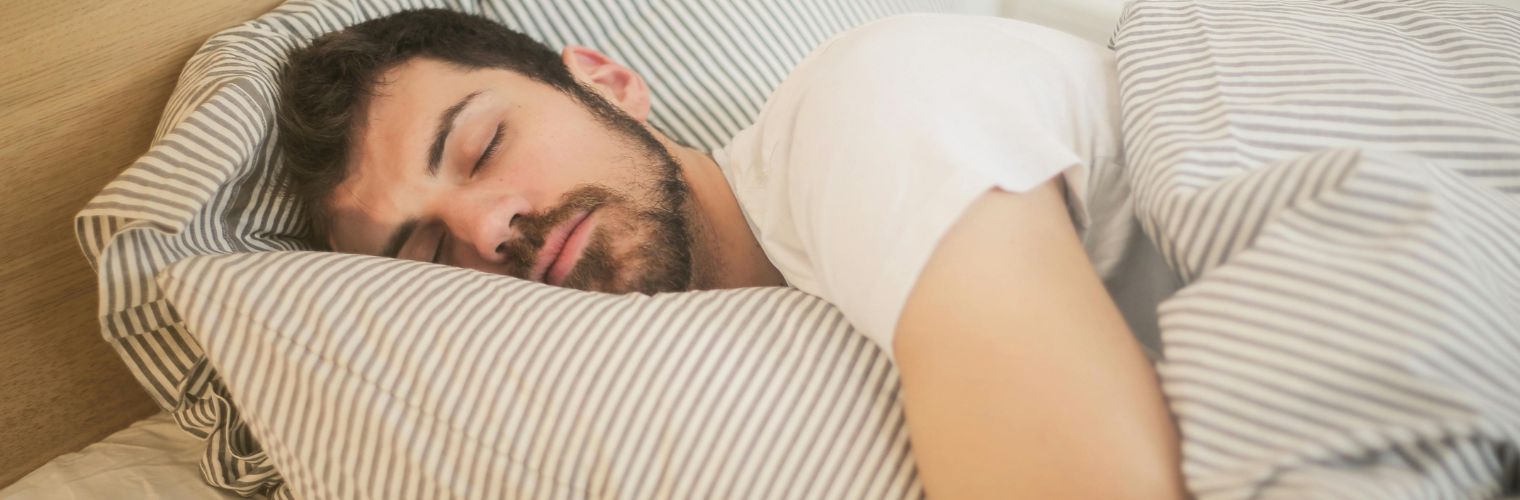


Have you ever found yourself tossing and turning all night, hugging your pillow wishing for quality sleep? You are not alone. Sleep is the backbone of optimal health, recovery, and performance. Many biohackers are now incorporating advanced techniques to enhance sleep quality, with the spotlight on deep sleep stages crucial for recovery and regeneration. Here we lay out sleep optimization strategies for biohacking sleep that go beyond basic tips like reducing screen time or avoiding caffeine. Let’s dive in!
Understanding Sleep Architecture: Deep Sleep and Its Importance
Deep sleep, or slow-wave sleep (SWS), is a critical phase of sleep. It’s when the body undergoes the most significant physical repair and memory consolidation. Growth hormone is released, tissues regenerate, and the brain clears out metabolic waste. Disruptions to this phase can affect cognitive function, immune response, and overall recovery.
To optimize deep sleep, one must first understand sleep architecture. Sleep is divided into REM (Rapid Eye Movement) and non-REM stages, with deep sleep occurring mainly in non-REM stages 3 and 4. These stages are vital for physical restoration and immune function.
Optimizing Sleep Environment with Temperature Control
Body temperature significantly impacts sleep quality. Research shows that the ideal bedroom temperature for sleep is between 60-67°F (15-19°C). Cooling devices like the ChiliPad or OOLER allow precise control over mattress temperature, promoting deeper sleep.
For those prone to overheating, advanced bedding technologies like Outlast materials, originally developed for NASA, can help maintain a balanced sleeping temperature. Cold exposure before bedtime, like a cold shower or ice bath, can also lower core body temperature, signaling the body to transition into sleep.
Enhancing Sleep Quality with Light Management
Light exposure directly influences circadian rhythms. To optimize deep sleep, manage light exposure throughout the day. In the morning, exposure to bright, natural sunlight helps regulate the body’s internal clock. In the evening, minimize exposure to blue light from screens, which suppress melatonin production.
Advanced biohackers use blue light blocking glasses or screen filters after sunset. Devices like the Philips Hue or GloToSleep masks can simulate natural lighting patterns, promoting the body’s natural wind-down process. Red light therapy in the evening is another powerful tool. Red light wavelengths do not interfere with melatonin production and can help signal the body to prepare for sleep.
Tracking Sleep with Advanced Wearables
Data-driven approaches to sleep are gaining traction among biohackers. Wearables like the Oura Ring, WHOOP, and Garmin watches provide insights into sleep stages, heart rate variability (HRV), and overall sleep quality. These devices offer actionable data, helping you tweak lifestyle factors to enhance deep sleep.
For example, analyzing nightly HRV data can help identify stressors impacting sleep. Advanced users often sync this data with other metrics, such as glucose monitoring, to find hidden links between diet, stress, and sleep quality. Personalized insights enable precise adjustments, such as changing the timing of meals, workouts, or supplements.
Supplements for Deep Sleep
Nutrition plays a key role in sleep quality. Advanced biohackers use specific supplements to enhance deep sleep. Magnesium glycinate, known for its calming effects, supports muscle relaxation and nervous system regulation. L-theanine, found in green tea, promotes relaxation without sedation, making it ideal for winding down.
Melatonin is a commonly used supplement, but precision in dosing is crucial. For biohackers, microdoses (0.3 mg) are often more effective and mimic the body’s natural production better than higher doses. Other advanced supplements include apigenin, magnolia bark extract, and phosphatidylserine, which reduce cortisol levels, thus enhancing deep sleep.
Sound Optimization: Binaural Beats and White Noise
Sound has a profound impact on sleep. Binaural beats, specific sound frequencies that synchronize brain waves, can enhance deep sleep. Frequencies between 1-4 Hz, known as Delta waves, are associated with deep sleep. Apps like Brain.fm and SleepStream offer customizable binaural beats to promote relaxation and deeper sleep stages.
White noise machines or apps can also mask disruptive sounds, maintaining a stable sleep environment. Pink noise, a variation of white noise, is particularly beneficial for deep sleep, as it mimics natural sounds like rain and wind, which the brain finds soothing.
Leveraging Chronobiology: Timing of Sleep for Maximum Recovery
Chronobiology, the study of biological rhythms, plays a significant role in sleep optimization. Advanced biohackers align their sleep schedules with their chronotype – an individual’s natural sleep-wake cycle. Understanding whether you’re a morning lark or a night owl can help tailor sleep timing for optimal recovery.
Tools like the Entrain app use algorithms to suggest light exposure schedules that shift your circadian rhythm toward optimal sleep timing. This approach is especially useful for frequent travelers dealing with jet lag, or those with irregular schedules.
Leveraging Advanced Sleep Therapies: PEMF and Neurofeedback
Pulsed Electromagnetic Field (PEMF) therapy is an emerging technique that biohackers use to enhance sleep quality. Devices like the EarthPulse use low-frequency electromagnetic fields to promote deep, restorative sleep. Neurofeedback, another advanced tool, trains the brain to reach optimal sleep states through real-time brainwave feedback.
These techniques are not widely adopted but offer significant potential for those struggling with chronic sleep issues. They require investment and experimentation but can lead to profound improvements in sleep quality.
Crafting Your Personal Sleep Biohacking Protocol
Biohacking sleep requires a personalized approach. Not all techniques work universally, and experimentation is key. Using data from wearables, feedback from neurotechnologies, and adjusting environmental factors, you can craft a sleep protocol tailored to your unique biology.
Achieving optimal deep sleep is a complex but rewarding endeavor. By biohacking sleep, you can enhance recovery, improve cognitive function, and support overall well-being. The goal is not just more sleep, but better sleep. Prioritize quality, and let data guide your path to better nights.
Also read: Sleep Hygiene Myths Debunked: What Really Works





