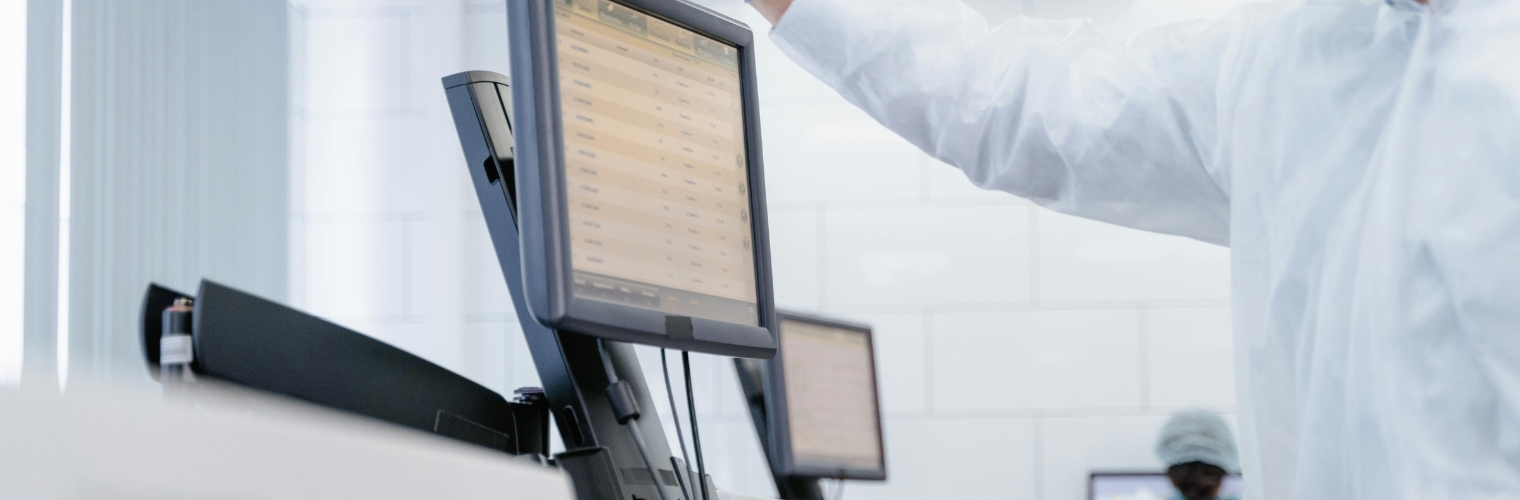


Looking into the healthcare industry, have you ever thought of how to protect healthcare data? Healthcare data is one of the most sensitive sources of information that needs to be protected. With the increasing use of digital technology in healthcare, the risk of data breaches and cyber-attacks has also increased.
All hospitals and other healthcare organizations must be cautious when it comes to preserving sensitive patient healthcare data. Significantly, this includes medical records, financial information, and other personal information. Securing healthcare data necessitates a combination of personnel education, smart technology use, and improving physical security.
Hence, it’s crucial for healthcare organizations to implement measures to protect healthcare data. In this blog, we’ll discuss 6 ways to protect healthcare data.
Encrypt Data
Encrypting data is the process of converting plain text into an unreadable form. By encrypting data, organizations can protect it from unauthorized access. Also, it ensures the privacy of patients’ information.
Implement Access Control
The mechanisms used to limit access to information are referred to as access controls. Access controls in healthcare can be used to limit access to sensitive information. Only authorized individuals should have access to medical records and patient information.
Train Employees
Training employees on cybersecurity best practices and how to protect healthcare data is crucial in preventing data breaches. Train employees on how to identify and avoid phishing scams.
Use Strong Passwords
Use strong passwords and regularly change them. Passwords must be at least 8 characters long. So, it should include a mix of upper and lowercase characters, numerals, and symbols.
Conduct Regular Security Audits
Regular security audits can help healthcare organizations identify vulnerabilities and make necessary improvements to their cybersecurity defenses. However, third-party vendors must conduct audits to ensure an unbiased assessment.
Use Multi-Factor Authentication
Multi-factor authentication uses more than one authentication mechanism. Furthermore, healthcare companies should guarantee that sensitive information is only accessible to authorized individuals.
Conclusion
Protecting healthcare data is critical for ensuring patient privacy and preventing data breaches. Furthermore, healthcare firms can greatly increase their cybersecurity defenses and protect sensitive data.





